
When embarking on a commercial construction project, excavation is a foundational step that sets the stage for success. Understanding the different types of excavation not only enhances project planning but also ensures compliance with safety standards and regulations. In this article, we’ll explore the various excavation techniques that are pivotal in shaping the landscape of commercial builds.
The Importance of Excavation in Commercial Construction
Excavation is not just about digging holes; it’s about creating a safe and prepared site for a variety of structures, from office buildings to industrial facilities. The excavation process ensures that the land is ready for building foundations and essential infrastructure.
Common Types of Excavation Techniques
1. Trenching
Trenching excavation is specifically designed for the installation of underground utilities. This technique involves digging narrow, deep trenches to accommodate water, sewage, and gas lines. Precise planning is vital, as utility locations must be carefully mapped to avoid accidents. Trenching is often employed in urban areas where space is limited and accuracy is key.
2. Basement Excavation
In commercial properties, basement excavation creates additional usable space beneath the building. This type of excavation requires careful planning to ensure the stability of surrounding structures and proper drainage. Basement areas are commonly used for storage, parking, or mechanical rooms, making this excavation technique vital for maximizing property potential.
3. Hillside Excavation
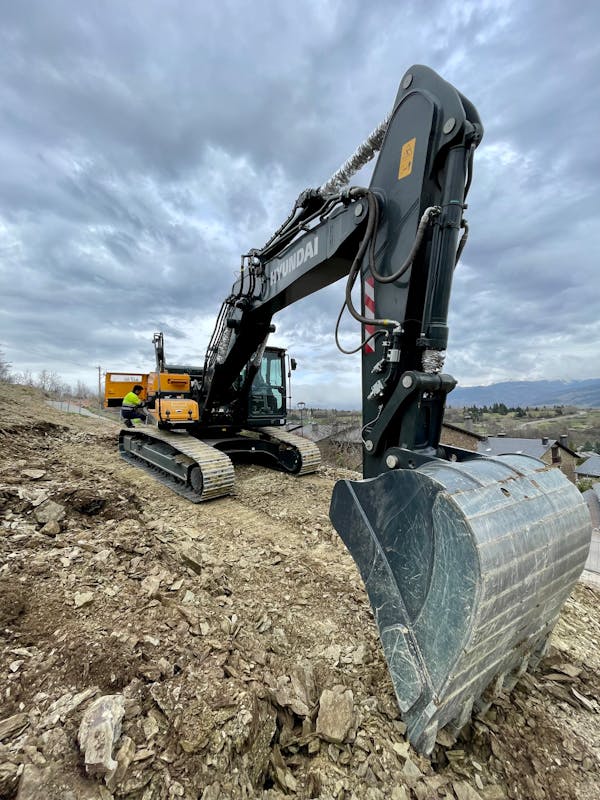
When constructing on sloping terrain, hillside excavation becomes essential. This technique involves cutting into the hillside to create a level platform for construction. Erosion control measures must be taken seriously to mitigate the risk of landslides or soil collapse, making hillside excavation a specialized task that requires expertise.
4. Cut and Fill Excavation
Cut and fill excavation is a balancing act that involves removing material from high areas (cut) and relocating it to lower areas (fill). This technique helps achieve a level grade, which is critical for drainage and stability. It effectively prepares the site for construction while minimizing the amount of material transported off-site.
5. Pit Excavation
Pit excavation consists of digging deep, narrow holes primarily for installations like underground storage tanks or electrical substations. Working in confined spaces is challenging; thus, safety precautions and precise engineering are paramount. This technique is essential for ensuring the functionality of underground systems.
Regulatory Considerations in Excavation
Before taking a shovel to the ground, one must navigate through a web of regulatory considerations. Obtaining the necessary permits and licenses is essential for compliance with local laws. Adherence to environmental regulations also ensures that excavation practices do not harm surrounding ecosystems. These factors are especially critical in urban environments where land use and zoning restrictions apply.
Permits and Environmental Considerations
The excavation process must be legally sanctioned through various permits, including zoning and excavation permits. Additionally, considerations surrounding soil management and potential contamination play an important role in an excavation plan. By following regulatory guidelines, developers can avoid costly fines and project interruptions.
Equipment and Safety Measures for Excavation
Essential Excavation Equipment
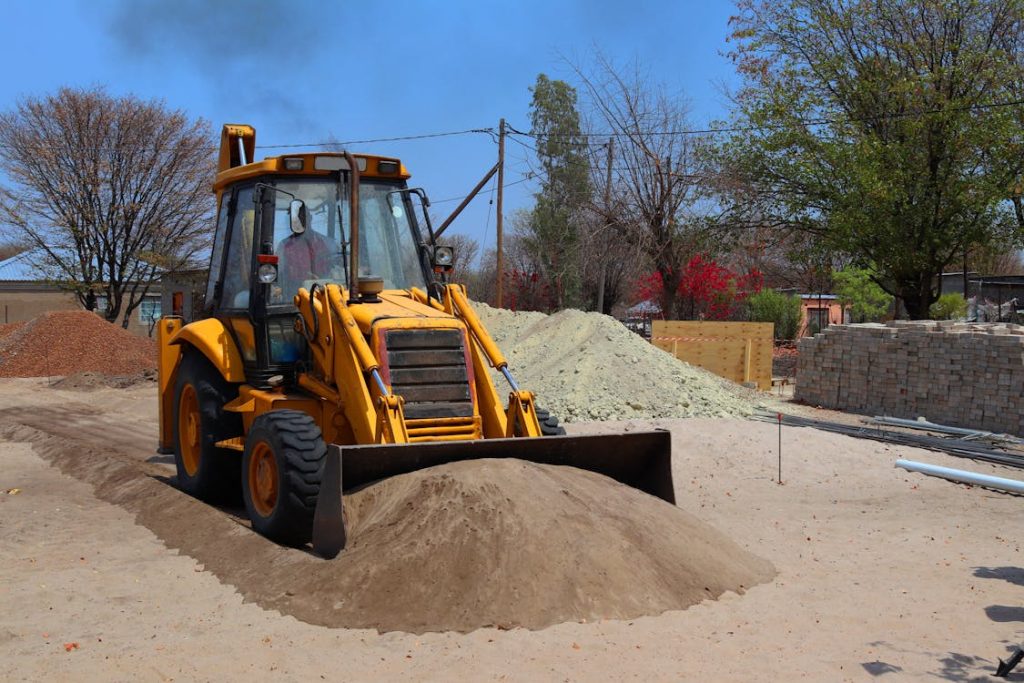
Utilizing the right equipment is key to the success of any excavation project. Excavators, bulldozers, and trenchers are staples in the excavation arsenal, each tailored for specific tasks. Heavy machinery effectively maneuvers through varying soil conditions, ensuring the excavation proceeds smoothly. Proper machinery selection contributes directly to timelines and budgets.
Safety in Excavation Projects
The importance of safety can never be overstated in excavation. A comprehensive risk assessment should be performed prior to commencing work. Providing workers with proper personal protective equipment (PPE) and ensuring they are trained in safe practices is crucial for minimizing risks and accidents on-site. In addition, regular site inspections ensure compliance with safety measures throughout the project.
Environmental Impact and Sustainable Practices in Excavation
The excavation process inherently alters the landscape, potentially leading to environmental concerns such as soil erosion and habitat disruption. To mitigate negative impacts, industry professionals are increasingly adopting sustainable excavation practices. These include measures for controlling erosion, managing waste efficiently, and recycling excavated materials when feasible. By focusing on sustainability, developers not only adhere to regulatory requirements but also enhance their project’s marketability.
Waste Management and Recycling
Effective waste management involves separating recyclable materials from excavated debris. By implementing recycling protocols, companies can significantly reduce their environmental footprint. Proper planning ensures that waste disposal meets local regulations, thereby fostering sustainable construction practices.
Understanding the various types of excavation used in commercial builds is essential for efficient project management and execution. By collaborating with excavation experts, developers can ensure the right techniques are applied, optimizing both time and resources while adhering to safety and regulatory standards.