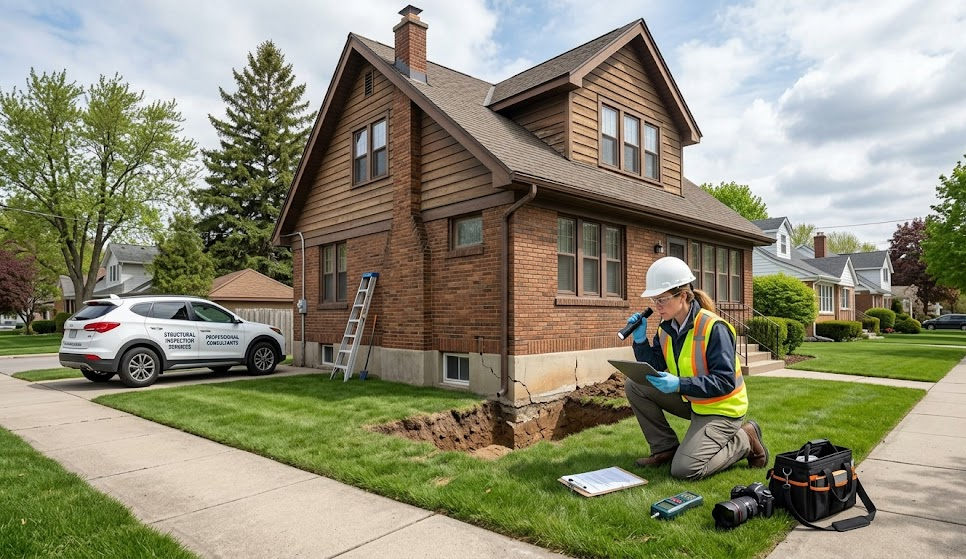
When considering a property purchase, ensuring the structural integrity of a building is paramount. Structural issues can lead to significant financial burdens if overlooked, making pre-purchase inspections a vital step for prospective buyers. This article delves into the importance of structural building checks, what these inspections encompass, and how they can protect your investment.
Understanding Structural Inspections in Property Purchases
Before initiating a property purchase, understanding the role of a structural inspection is crucial. These inspections are thorough evaluations conducted by qualified professionals, focusing primarily on a building’s safety and longevity. By examining various components such as the building foundation, walls, and roofing, inspectors can identify potential concerns that may impact the property’s value and usability.
Distinguishing Between Home and Structural Inspections
While many buyers are familiar with home inspections, fewer understand the specific role of a structural inspection. Home inspections provide a broad overview of a property’s condition, typically addressing systems like plumbing, HVAC, and roofing. In contrast, structural inspections dive deeper into the components that support the home.
Professional structural engineers focus on:
- Foundation stability
- Framing integrity
- Load-bearing walls
Identifying Common Structural Issues
Understanding common structural issues can prepare buyers for what to expect during inspections. While finding serious defects is relatively rare, some signs may indicate underlying problems.
Common signs include:
- Cracks in the foundation, walls, or ceilings
- Sloping or uneven floors
- Doors and windows that stick or are misaligned
Analyzing Foundation Stability
The foundation is arguably the most critical component of any structure. Compromised foundations can lead to severe consequences, including shifting and settling. During a structural inspection, professionals assess key indicators of foundation stability, such as:
- Presence of large cracks
- Improper drainage around the foundation
- Signs of water damage or erosion
Identifying these issues early can save buyers from extensive repair costs down the line.
Understanding the Inspection Process
When engaging a structural engineer, knowing what to expect during the inspection process is essential. Typically, the inspection may last several hours, during which the engineer will examine the property both inside and out.
They will focus on:
- Evaluating the overall structural integrity
- Reviewing previous repair records
- Documenting findings in a detailed report
Preparing for the Structural Inspection
Preparing your property ahead of a structural inspection can facilitate a smoother process. Essential steps include:
- Clearing access to the foundation and crawl spaces
- Removing any debris from gutters and roofs
- Ensuring all areas are well-lit and accessible
Proper preparation can help inspectors conduct a thorough evaluation without hindrances.
Considering the Costs of Structural Inspections
While the costs for a structural inspection can vary, understanding this investment is crucial for potential buyers. Typical expenses can range significantly, depending on factors such as:
- Property size and location
- Inspection complexity
- Additional testing requirements
Investing in an inspection can prevent far larger costs due to construction defects that may arise post-purchase.
What Happens After the Inspection?
Post-inspection, the engineer will provide a comprehensive report detailing their findings. This document becomes an essential tool for negotiations with the seller.
Key elements of the report often include:
- Identified structural issues and their severity
- Recommendations for repair or further evaluation
- Estimated costs associated with repairs
Making Informed Decisions Based on Inspection Reports
With the findings in hand, buyers can navigate their next steps with confidence. If serious structural issues are identified, buyers may choose to:
- Request repairs from the seller
- Negotiate a lower purchase price
- Walk away from the deal if the issues are deemed too severe
Ultimately, having a clear understanding of the building’s condition helps buyers make informed decisions regarding their investment.
Engaging Experts for a Secure Purchase
As you navigate the complexities of property purchases, consulting with structural engineers or qualified inspectors is a wise decision. Their expertise can provide valuable insights into the structural integrity of a property.
For those looking to delve deeper into maintaining building safety, consider resources that discuss waterproofing techniques for foundations or view materials on building integrity.
Final Thoughts on Structural Checks
By investing in structural inspections before a property purchase, potential buyers safeguard their financial futures and ensure their new homes are sound and secure. The insights gained from these inspections empower buyers to navigate the market confidently, informed and ready to protect their investments.