
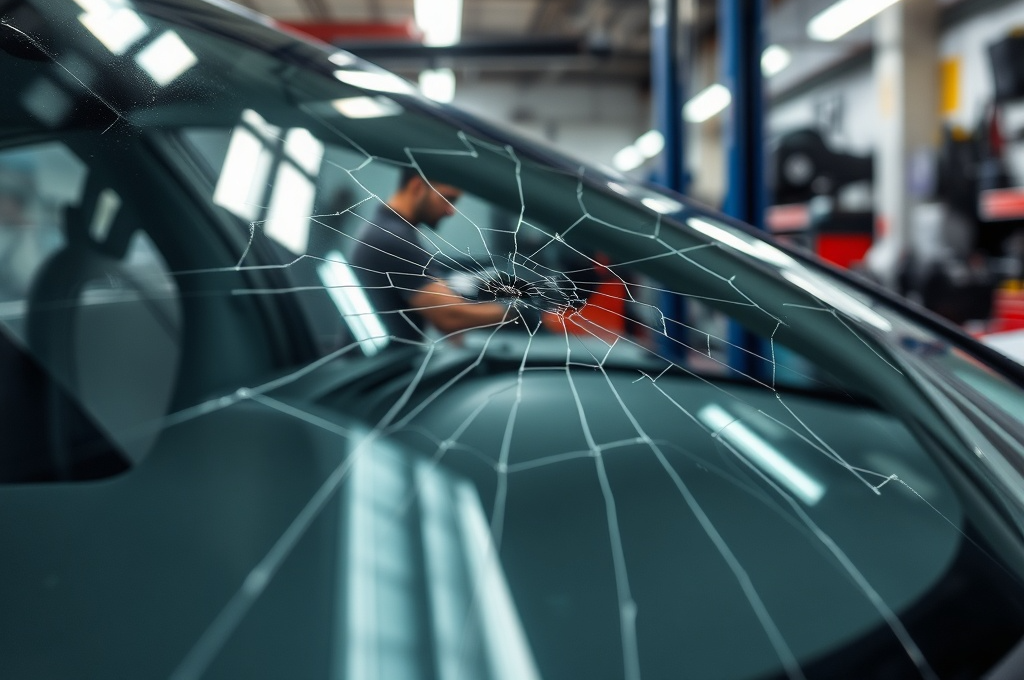
Your vehicle’s windscreen is not merely a transparent barrier; it serves as an integral part of the overall safety system. This essential component contributes significantly to the structural integrity of your car. However, a day might come when you find yourself questioning whether it’s time for a windscreen replacement rather than a simple repair. Understanding the signs and symptoms of windshield damage can help in making this critical decision. Let’s delve into the details.
Understanding Windshield Damage
Windshield damage occurs when the glass experiences threats that jeopardize its efficacy. Common forms of damage include chips, cracks, and extensive shattering. Each type of damage has specific causes and guidelines for treatment, which we will explore further.
Common Types of Windshield Damage
- Floater Cracks: These cracks do not start at the edge but appear in the middle of the glass, often indicating that more serious issues may arise.
- Edge Cracks: Cracks that originate from the edge can expand quickly if not addressed promptly.
- Chips: Chips can resemble small pits or holes and, while they might seem minor, they can evolve into larger problems with time.
- Star Breaks: This type of damage resembles a starburst pattern, indicating a severe impact that could compromise safety.
- Combination Breaks: These occur when both cracks and chips form near one another, indicating potential severe structural problems.
What Causes Windshield Damage?
A variety of factors contribute to windscreen damage. Recognizing these can provide preventative measures:
- Temperature Extremes: Sudden shifts from hot to cold can induce stress cracks.
- Debris and Rocks: Objects propelled by other vehicles can chip or crack the glass.
- Sun Exposure: Prolonged exposure to sunlight can weaken the glass, making it more susceptible to other forms of damage.
- Neglected Damage: Chips or cracks that are ignored can spread, worsening the situation.
- Collisions: Accidents can lead to substantial damage that requires complete replacement.
When to Consider a Windshield Replacement
While some forms of damage can be easily repaired, others may necessitate a full replacement. Here are some indicators that replacement might be necessary:
Size Matters
In most cases, cracks longer than three inches indicate that a replacement is essential. Smaller chips can often be filled, but longer cracks can compromise structural integrity.
Location of Damage
Damage that is directly in the driver’s line of sight can obstruct visibility and usually warrants a full windshield replacement. Safety comes first, and ensuring clear vision is paramount.
Critical Damage Levels
If cracks extend deep into multiple layers of the glass or if existing damage has begun to interfere with airbag deployment mechanisms, it becomes crucial to opt for a replacement.
Assessing the Damage to Make an Informed Decision
Before heading to a professional, take some time to assess the damage yourself. Consider the following:
- Evaluate Size and Depth: Use a coin or measuring tape to determine the size of the crack or chip.
- Locate the Damage: Is it within the driver’s line of sight or out of it?
- Check for Structural Integrity: If there’s a risk that the windshield cannot support the vehicle’s structure or deploy airbags effectively, replacement is necessary.
Taking Action: Professional Evaluation
When in doubt, consulting a professional is the best course of action. A skilled car glass expert can provide a thorough analysis and guide you through your options. The right expert will help you understand whether windscreen repair or replacement is the most suitable solution based on a detailed assessment.
Wrapping Up the Essentials
When it comes to preserving your vehicle’s safety and functionality, understanding when widnscreen replacement is necessary is crucial. If you’re unsure about the integrity of your windshield, it’s best to consult a qualified automotive glass expert who can provide the right guidance for your situation. Stay safe on the road by ensuring your windshield is in top condition.