Waterproofing is an essential aspect of construction that ensures the longevity and integrity of a building’s foundation. It mitigates the impact of water on structures, which can lead to significant damage if not properly addressed. Over the years, various waterproofing techniques have been developed, each with its own strengths and applications to cater to different environments and building requirements.
Understanding Foundation Waterproofing
The foundation of any structure is akin to its backbone, providing stability and support. However, water intrusion can undermine this stability, leading to structural damage, mold growth, and deterioration. The primary source of foundation problems is often water, as wet soil can swell and lose strength. To avoid these hazards, implementing effective waterproofing techniques is crucial.
Waterproofing serves multiple purposes, including:
- Keeping moisture out is vital to protect the foundation material.
- Moist environments encourage mold proliferation, which can be harmful to health.
- A solid waterproofing system maintains the strength and durability of a building.
- Well-maintained foundations with proper waterproofing can increase a property’s resale value.
Common Techniques for Waterproofing Foundations
Below are some of the most utilized methods in foundation waterproofing.
Cementitious Waterproofing
Cementitious waterproofing is one of the simplest and most widely used methods. This technique involves applying a cement-based product that easily adheres to masonry and concrete surfaces. It is ideal for internal wet areas, such as:
- Toilets
- Basements
- Showers
This method does not require additional protective layers or membranes, making it a cost-effective option. However, cementitious coatings can crack over time, necessitating regular inspections and maintenance.
Liquid Waterproofing Membrane
The liquid waterproofing membrane is applied in a liquid form that cures to form a rubber-like barrier. This method is highly flexible and effective for various surfaces and is often favored for its seamless application. Some advantages include:
- Seamless coverage that minimizes the potential for leaks.
- High elongation properties, reaching up to 280% for certain products.
- Versatile application methods, including spray, roller, or trowel.
Liquid membranes are ideal for foundations exposed to conditions that require a robust, adaptable waterproofing solution. Companies such as Sika and BASF offer innovative formulations to enhance performance in diverse environments.
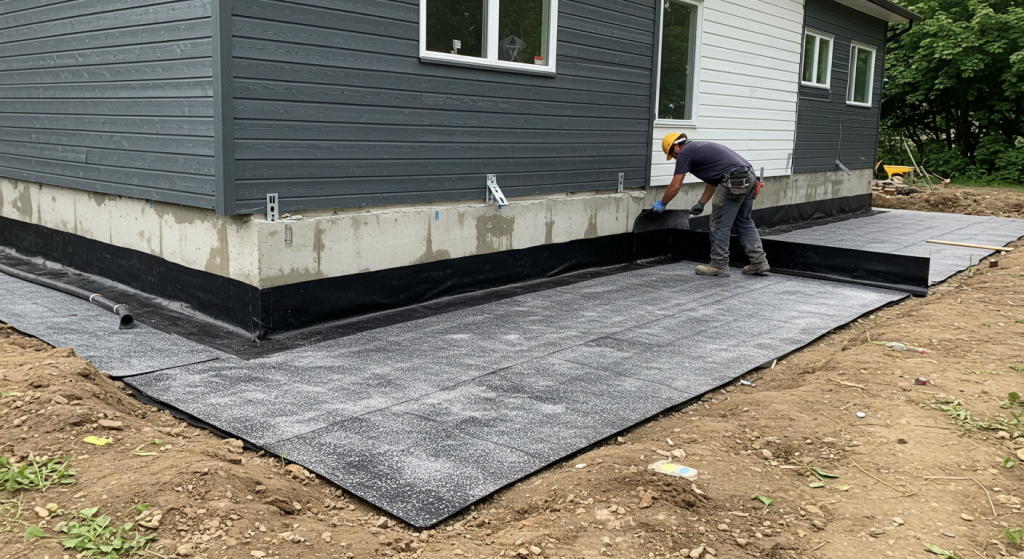
Bituminous Coating Waterproofing
This method uses a bitumen-based material, providing a flexible protective coat resistant to water. It is commonly used beneath the screed in wet areas. However, bituminous coatings are not suitable for direct sunlight exposure unless modified with additional flexible materials.
- Perfect for below-grade applications.
- Requires care during installation, as UV exposure can compromise integrity.
When properly installed, a bituminous coating can protect foundations effectively against groundwater infiltration.
Innovative Waterproofing Technologies
Innovative technologies are transforming how foundations are protected against water intrusion.
Polyurethane Liquid Membrane
This method is particularly suited for flat roof areas where weather exposure is a concern. Polyurethane membranes offer high elasticity and durability. It is crucial to evaluate moisture content before application, as high humidity can affect adhesion.
- High flexibility allows it to withstand thermal expansion and contraction.
- Can be used on varied substrates, making it versatile across applications.
Advanced Membrane Systems
Membrane systems have emerged as a leading choice in waterproofing for their reliability and ease of installation. These systems include:
- Self-adhesive membranes: These are easy to apply and have excellent bonding properties.
- Torch-on membranes: Requiring skilled labor for installation, torch-on membranes are particularly useful for low-sloped roofs.
Practical Steps for Successful Waterproofing Installation
Proper planning and execution are key elements for successful outcomes.
Pre-installation Planning
Planning the layout of waterproofing is essential. Before any installation, it is critical to confirm the elevations and grade lines with the architectural plans. This foresight avoids any visible waterproofing above the finish grade, which can detract from aesthetics.
Surface Preparation
The preparation of the foundation surface is crucial to ensure effective adhesion of waterproofing materials. This includes:
- Cleaning the surfaces to remove loose debris and oils.
- Repairing any cracks or voids with compatible patching materials.
- Drying out wet areas, using appropriate heating methods as necessary.
Monitoring and Maintenance
Waterproofing is not a one-time process; it requires ongoing monitoring to ensure effectiveness over time. Regular checks and maintenance help in identifying potential issues before they escalate. Consider:
- Routine inspections post heavy rain or snow.
- Monitoring the drainage systems to ensure they are clear and functional.
Conclusion
In an era where buildings are increasingly exposed to varying environmental conditions, investing in effective waterproofing techniques is vital. Understanding the different methods and their applications provides essential insight for homeowners and builders alike, ensuring that foundations remain robust and resilient against the elements.