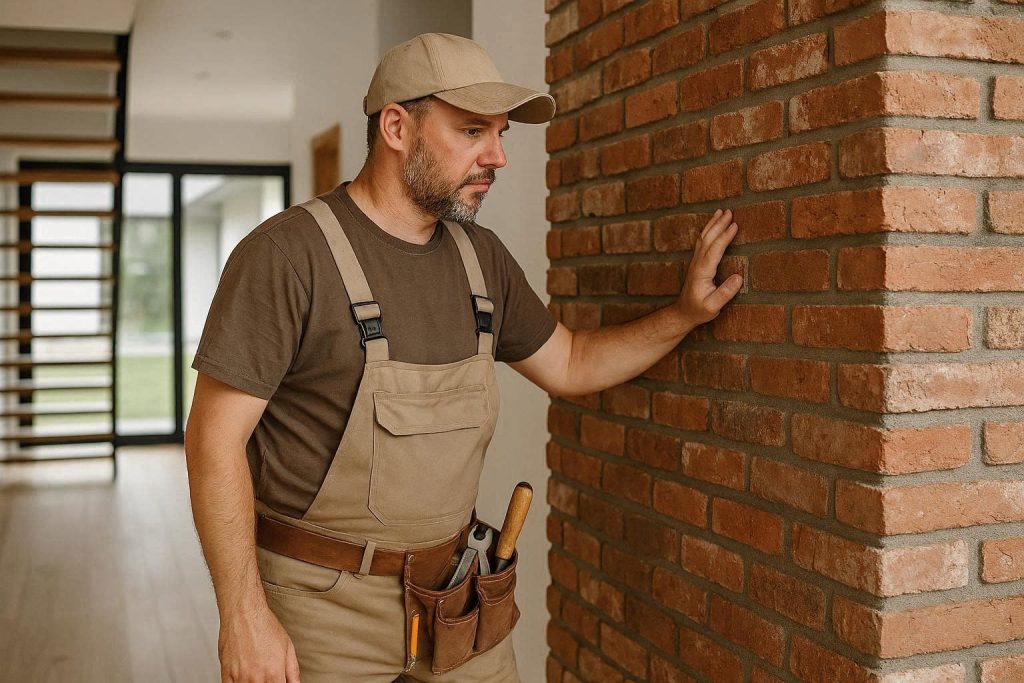
Brick walls are not just a structural element of your home; they embody strength and style. Over time, they may face wear and tear, but with the right knowledge and techniques, restoring and maintaining them can be a straightforward process. Dive into this guide to uncover essential tips for keeping your brick walls in top condition.
Understanding Brick Wall Damage
The first step in maintaining your brick walls is to recognize the signs of damage. Understanding the various types of deterioration can save you time and money in the long run. Here are some common issues to watch out for:
Cracked Bricks
Cracks in bricks often arise from settling foundations, fluctuating temperatures, or moisture accumulation. These fissures can worsen if not addressed promptly, leading to costly repairs.
Deteriorating Mortar
Over time, the mortar that binds the bricks together may erode due to exposure to harsh weather conditions. A keen eye can catch mortar damage early, thereby preventing further decay.
Efflorescence
This white, powdery substance that sometimes appears on bricks indicates moisture problems. Efflorescence can lead to deeper issues if left unchecked.
Bulging and Spalling
Bulging or bowing bricks could signal structural issues or hidden water damage, while spalling involves the flaking or chipping of bricks—often precipitated by moisture or frost. Addressing these problems swiftly is vital.
The Essential Tools and Materials for Brick Repair
Once you’ve assessed the condition of your brick wall, the next step is to gather the necessary tools and materials for repair:
- Safety gear: Don’t overlook protective gloves, goggles, and dust masks.
- Chisel and hammer: Crucial for removing fallen bricks or deteriorated mortar.
- Mortar mix: Select a mix that matches your existing mortar.
- Trowel: To help spread and smooth the new mortar.
- Bricks: Ensure they match in size, color, and texture.
- Level: For alignment of your bricks.
- Brushes and buckets: Handy for cleaning and mixing mortar.
Preparing for Brick Wall Repairs
Taking time to prepare properly can make a significant difference in the success of your repair:
Cleaning the Area
Begin by cleaning the damaged area thoroughly. Use a brush or vacuum to clear away dust and debris, as this provides a robust surface for the new mortar to adhere to.
Removing Damaged Bricks
Once the area is clean, carefully remove any damaged bricks. Utilize a chisel and hammer, being cautious not to damage neighboring bricks during the process. After removing the bricks, you’ll need to clean out any old mortar residue from the cavity.
Soaking New Bricks
Soaking new bricks in water prior to installation is a smart move. This prevents them from drawing moisture from the mortar, which can compromise the bond.
The Step-by-Step Brick Repair Process
With preparations complete, you can now proceed to the actual repair:
Mixing Mortar
In a bucket, mix the mortar by gradually adding water until you achieve a consistency that retains its shape without being overly wet. Follow the manufacturer’s instructions for best results.
Replacing Bricks
After mixing the mortar, place it into the cavity, position the new brick, and ensure it is level with the existing structure. A gentle tap with the trowel handle can help seat the brick properly.
Applying Mortar
Once the brick is in position, apply mortar around it, smoothing the surface with a trowel. Make sure to remove any excess and match the joint style of the existing wall. Allow the mortar to dry according to the manufacturer’s instructions.
Post-Repair Care for Your Brick Walls
The work doesn’t end once the bricks are replaced. Post-repair care is crucial for maintaining the integrity of your walls:
Curing and Regular Maintenance
Allow the repaired area to cure for several days, avoiding exposure to extreme weather. Regularly inspect your walls for signs of damage, such as cracks or loose bricks, to catch any issues early.
Preventative Measures
Taking preventive action can save you from extensive repairs later on. Ensure proper drainage away from your brick walls, seal cracks promptly, and consider waterproofing treatments for moisture-exposed areas.
Knowing When to Seek Professional Help
Recognizing when the damage is beyond DIY intervention is key. Should you find extensive damage affecting structural integrity or severe cracking, don’t hesitate to consult a professional mason. They possess the expertise to assess the situation and recommend appropriate steps.
In summary, restoring and maintaining your brick walls is crucial for preserving the aesthetic and structural integrity of your home. When in doubt, don’t hesitate to consult a masonry expert to ensure your repairs are carried out professionally and effectively.