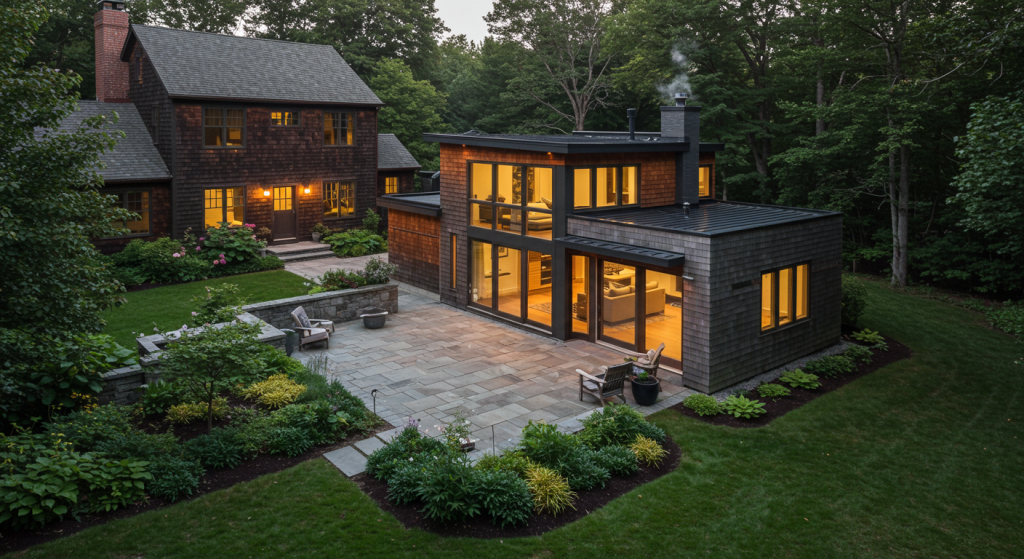
A coach house, also known as a garden suite or laneway home in parts of Canada, is a self-contained secondary dwelling located on the same property as a primary residence. Whether you’re building it for multigenerational living, rental income, or simply as a guesthouse or home office, a coach house must strike the perfect balance between comfort, functionality, and smart use of space.
Start with the Right Layout
Designing a coach house starts with understanding your needs. Will it be used full-time or occasionally? Do you need one bedroom or two? Open-concept layouts are popular because they create an airy feel in a small footprint. Consider combining the kitchen, dining, and living areas into one large space to make the home feel more spacious.
Use Canadian Climate-Friendly Materials
Canada’s four-season climate calls for thoughtful material choices. Durable exterior cladding like fibre cement, cedar, or metal panels can withstand snow, rain, and sun exposure. Inside, opt for insulation with high R-values, energy-efficient windows, and radiant in-floor heating to keep the space warm and comfortable year-round.
Prioritize Energy Efficiency
Since coach houses are typically small, they’re ideal candidates for sustainable design. Install energy-efficient appliances, use LED lighting, and include programmable thermostats. Solar panels can reduce utility bills and your environmental footprint. In many Canadian cities, energy performance is a major factor in getting building permits, so efficiency is both smart and necessary.
Let Natural Light In
Maximize natural light with large windows, skylights, or clerestory glass panels. Bright interiors make small homes feel larger and more welcoming. In winter months, natural light also supports well-being and reduces reliance on artificial lighting. Position windows to capture the best daylight while maintaining privacy from neighbours.
Invest in Smart Storage Solutions
With limited square footage, every nook counts. Custom cabinetry, built-in shelving, and multi-functional furniture like storage beds or extendable tables will help you keep clutter at bay. Use vertical wall space and consider under-stair or loft storage options to keep your design clean and efficient.
Design a Functional and Stylish Kitchen
The kitchen is a key element in any coach house. Choose compact appliances and clever cabinetry to make the most of the space. A galley-style or L-shaped kitchen can work well in smaller homes. Stick to neutral tones and light finishes to reflect light and enhance openness, but don’t be afraid to add a pop of colour through backsplash tiles or accessories.
Create a Comfortable Bathroom Oasis
Bathrooms in coach houses don’t have to feel cramped. Walk-in showers with glass doors, floating vanities, and space-saving toilets can create the illusion of more space. Use oversized mirrors and consistent tile colours to make the room feel larger. Heated floors are a luxury worth adding, especially in colder provinces.
Make Room for Work and Relaxation
Many Canadians use coach houses as flexible living spaces—part home, part office, part retreat. Consider a built-in desk, fold-down work table, or a quiet reading nook. For those working from home, soundproofing and reliable internet connectivity are must-haves. Use zoning within the space to separate work and leisure areas.
Don’t Forget Outdoor Living Space
Extend the living area by incorporating a deck, balcony, or private patio. Outdoor spaces are a huge value-add, especially during Canada’s warmer months. Add planters, outdoor lighting, and comfortable seating to make the most of even a small footprint. A well-designed exterior boosts livability and curb appeal.
Choose a Modern, Timeless Aesthetic
Coach houses benefit from clean, minimalist design. Stick with simple lines, natural materials, and a neutral palette. Add warmth through wood accents, textured fabrics, and soft lighting. This creates a modern yet timeless interior that feels welcoming without being overly trendy.
Understand Local Zoning and Bylaws
Each Canadian municipality has its own regulations around coach house construction. Check height restrictions, minimum lot sizes, parking requirements, and setback rules. Some cities, like Vancouver and Ottawa, are encouraging laneway homes, while others have stricter limitations. Always work with an architect or designer familiar with local codes to avoid surprises.
Designing a coach house is a major investment and working with the right team makes all the difference. Architects, builders, and interior designers with experience in small-space living can help you make smart decisions.