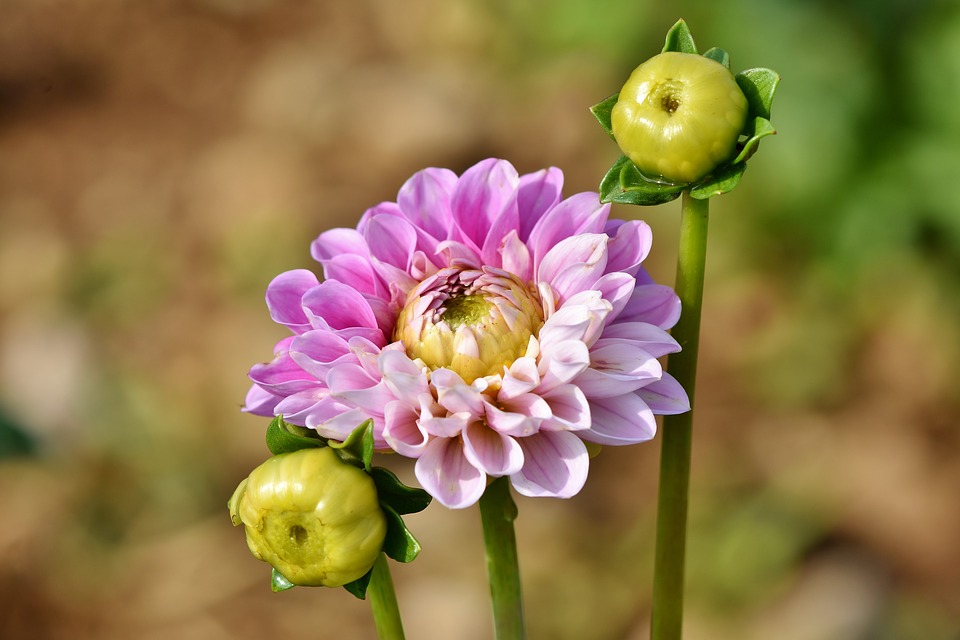
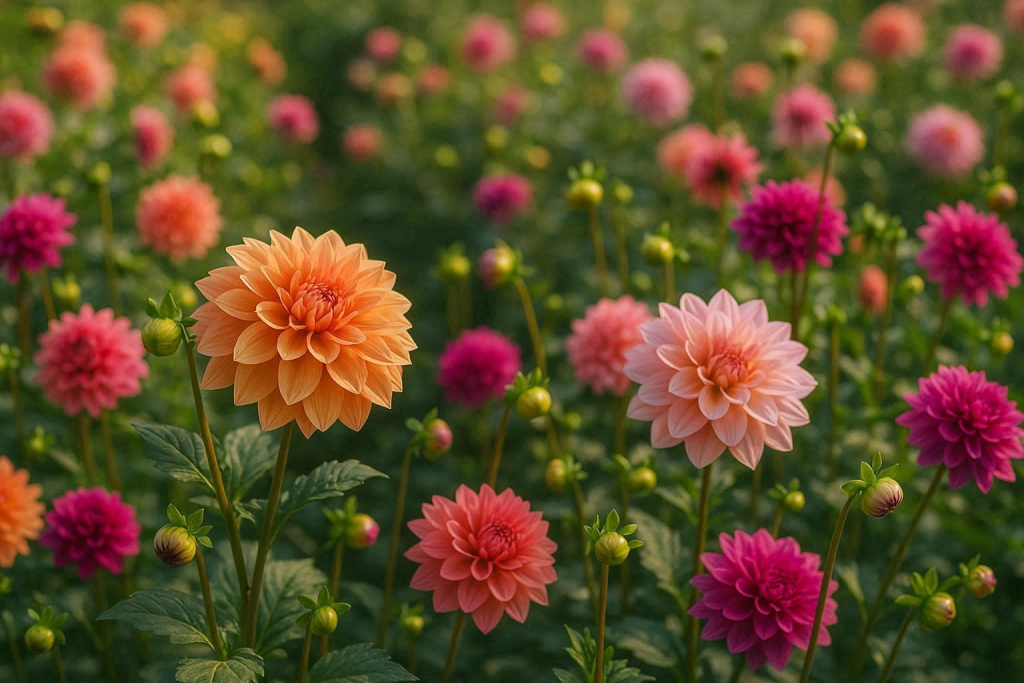
Discover the vibrant world of dahlias, stunning flowers that can bring extraordinary color and beauty to your garden. Easy to grow and available in countless varieties, these blooms flourish from midsummer to frost, making them the perfect addition to any garden. Join us as we explore essential tips on how to grow and care for these magnificent plants!
Dahlia Basics: Understanding Your Plant
Before delving into the cultivation process, it is important to note that dahlias thrive in well-drained soil and need full sun to flourish. Depending on the variety, these plants range from 1 to 6 feet tall. Generally, dahlias can be winter hardy in zones 8-10, while in colder regions, gardeners need to lift the tubers after the first frost, storing them until spring.
The Ideal Growing Conditions for Dahlias
- Soil: Opt for a well-balanced, organically rich, and well-drained mix.
- Light: Full sunlight is essential for robust growth.
- Watering: Maintain consistent moisture without over-saturating.
Planting Dahlias: Getting Started
The best time to plant dahlia tubers is in May, once the danger of frost has passed and the soil has warmed to around 60°F. Here are step-by-step suggestions for planting:
Step-by-Step Planting Guide
- Support Structures: Use tomato cages or wooden stakes to support your dahlias as they grow.
- Tubers Placement: Dig a shallow hole, about 3 inches deep, for individual tubers, ensuring the new bud faces upwards. For larger groups, plant them deeper.
- Labeling: Attach a label to each cage for identification.
- Initial Watering: Refrain from watering until sprouts emerge, as early watering can lead to rot.
Caring for Your Dahlias: Essential Tips
Once established, caring for your dahlias will ensure they thrive. Here’s how to maintain healthy plants:
Watering and Fertilizing
Keeping the soil consistently moistened is key. The American Dahlia Society recommends a careful balance to prevent soil from becoming soggy or too dry. Fertilize dahlias with bone meal 2-3 times between June and October to boost blooming. If your soil is rich in nutrients, additional fertilization may not be necessary.
Pruning for Optimal Growth
Pinching is a great technique to promote bushier growth. When the first leaves reach about 8 to 12 inches, pinch out the center bud. Also, practicing deadheading keeps your plants looking tidy and directs energy towards producing new blooms.
Pest and Disease Management
Be vigilant about pests such as aphids, spider mites, and caterpillars. Furthermore, watch for signs of fungal diseases like powdery mildew, which can plague dahlias.
Digging and Storing Dahlia Tubers for Winter
For gardeners in colder climates, proper tuber storage after the first hard frost is crucial. Here’s a quick guide:
- Once foliage wilts, wait 1-2 weeks before digging.
- Label each plant before cutting down the stems.
- Digging carefully helps avoid damaging the tubers.
- Clean the tubers, let them cure for 48 hours in a dry spot, then store them in breathable containers.
Exploring Dahlia Varieties
Dahlias come in an impressive variety of colors, shapes, and sizes. Some popular types include:
- Virtuoso® Dayglo Yellow™: Bright yellow blooms that flower early.
- Mystic Illusion: Stunning lemon yellow flowers resistant to powdery mildew.
- Ginger Snap: A lovely variety that transitions from gold-yellow to light peach.
Design Ideas with Dahlias
Dahlias can be creatively incorporated into your garden’s design. Mix them with perennials for a layered look, or use shorter dahlias in containers for stunning accents. Pair them with late-blooming plants like goldenrod or asters to maintain visual interest all season.
Whether you’re an experienced gardener or a novice, growing dahlias can be a rewarding experience that adds vibrant colors to your garden. With the right care and attention, these stunning blooms will flourish and provide beauty from midsummer through the first frosts. Embrace the joy of nurturing these flowers and watch your garden transform into a vibrant showcase.