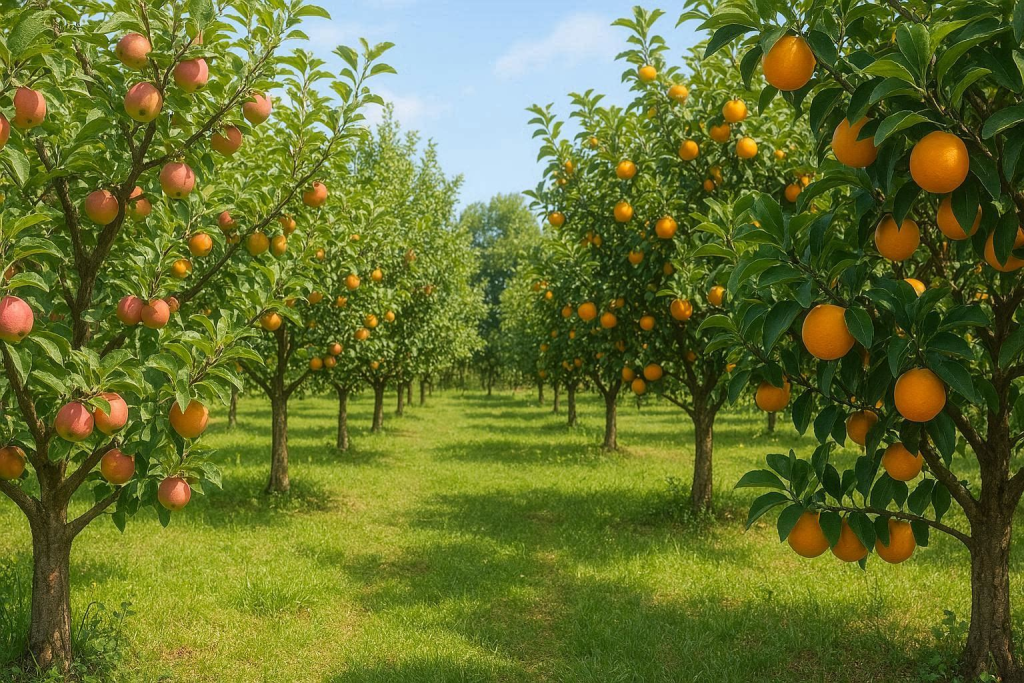
Imagine stepping into your backyard and being greeted by the sweet scents of fresh apples, ripe peaches, and juicy cherries. Planting the best fruit trees not only enhances your garden’s beauty but also provides a bountiful supply of delicious, homegrown produce. In this guide, we’ll explore top fruit trees that can turn your outdoor space into a thriving orchard.
Why Choose Fruit Trees for Your Orchard?
Fruit trees bring numerous benefits, enhancing the aesthetic appeal of your backyard with their beautiful blooms and vibrant foliage. Beyond their beauty, they invite pollinators like bees, contributing to a healthy ecosystem. Moreover, homegrown fruits outperform store-bought options in terms of freshness and flavor, devoid of harmful pesticides and filled with a natural sweetness that simply cannot be beaten.

Factors to Consider When Choosing Fruit Trees
When planning your orchard, there are several important factors to consider to ensure your success:
Understanding Your Climate
Each fruit tree has specific climate requirements. Research your USDA hardiness zone to identify which varieties will thrive in your area. For instance, apple trees thrive in cooler regions while citrus trees prefer warmer climates.
Space Availability
Evaluate your gardening area. Are you working with limited space? Consider planting dwarf varieties that fit perfectly into smaller yards or even containers. Proper spacing between trees also promotes air circulation, decreasing the chances of disease.
Top Fruit Trees for Your Backyard Orchard
Here are some of the best fruit trees to consider, each offering unique tastes and adaptability:
Apple Trees
Regarded as staples in many orchards, apple trees are versatile and suitable for various climates (zones 4–8). Consider varieties like the sweet ‘Gala’ or the tart ‘Granny Smith.’ Dwarf options make it easy to grow even in tight spaces.
Peach Trees
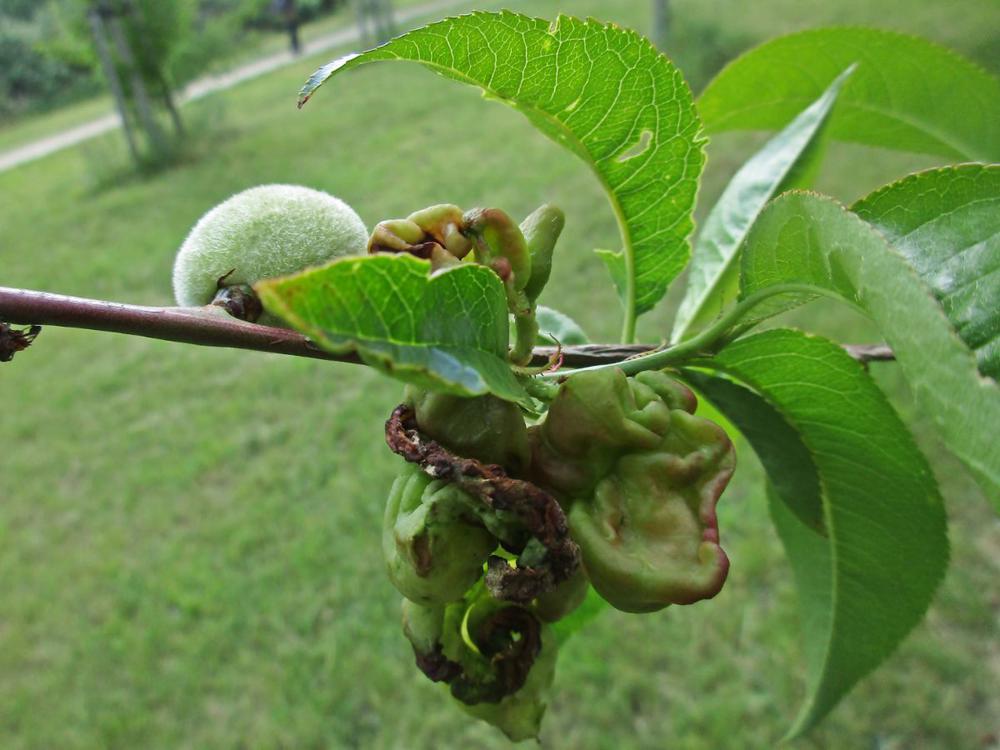
Bringing a burst of flavor to any garden, peach trees, especially varieties like ‘Redhaven,’ produce delicious fruit in warmer zones (5–9). They are often self-pollinating, reducing the need for neighboring trees.
Pear Trees
Known for their buttery texture, pear trees such as ‘Bartlett’ and ‘Anjou’ flourish in similar climates as apple trees (zones 4–8). Remember that many pear varieties require cross-pollination for optimal fruit production.
Cherry Trees
If you’re after something both sweet and picturesque, cherry trees like ‘Bing’ and ‘Montmorency’ do not disappoint (zones 4–7). Sweet cherries typically require another tree for pollination.
Plum Trees
Add beauty and flavor with plum trees such as ‘Santa Rosa’. Thriving in zones 5–9 and often self-pollinating, these trees can embellish your garden with stunning spring blossoms.
Fig Trees
For those in warmer areas (zones 7–10), fig trees such as ‘Brown Turkey’ can be a great choice. These trees are not only self-pollinating but also drought-tolerant, making them a low-maintenance option.
Citrus Trees
If you dream of lemons or oranges, citrus trees like ‘Meyer Lemon’ are perfect for warm climates (zones 8–11). These trees can be grown in pots, allowing you to enjoy their lovely appearance even in less-than-ideal conditions.
Planting Your Fruit Trees
Setting your trees up for success starts with the planting process. Follow these steps to ensure strong growth:
Select Healthy Trees
Choose trees from reputable nurseries that exhibit strong roots and no signs of disease. Healthy plants are better equipped to adapt to their new environment.
Prepare the Site Properly
Plant your trees in sunny, well-drained locations with at least six to eight hours of sunlight. Dig holes wide enough for roots to spread comfortably and mix organic matter into the soil to enhance fertility.
Caring for Your Orchard
Caring for your fruit trees involves regular maintenance and precautions:
Watering and Mulching
Young trees require deep watering—approximately 10 to 15 gallons per tree—to promote deep root growth. Adding a layer of organic mulch can help conserve soil moisture and suppress weeds, giving your trees a better chance to thrive.
Pruning for Healthy Growth
Regular pruning is vital for both health and productivity. Remove dead or competing branches and shape the tree to allow for proper sunlight penetration. Learn how to prune effectively through resources that delve into the science behind pruning.
Monitoring for Pests and Diseases
Regularly check your trees for signs of pests, using organic control methods to preserve the ecosystem. Consider introducing beneficial insects to help manage pests naturally, which can prevent future infestations. For more information on addressing specific pests, visit this guide on protecting your harvest.
By selecting the right fruit trees and providing them the proper care, you can cultivate a thriving backyard orchard that brings beauty and delicious harvests to your home. Embrace the joy of nurturing your plants, and enjoy the fruits of your labor for years to come.