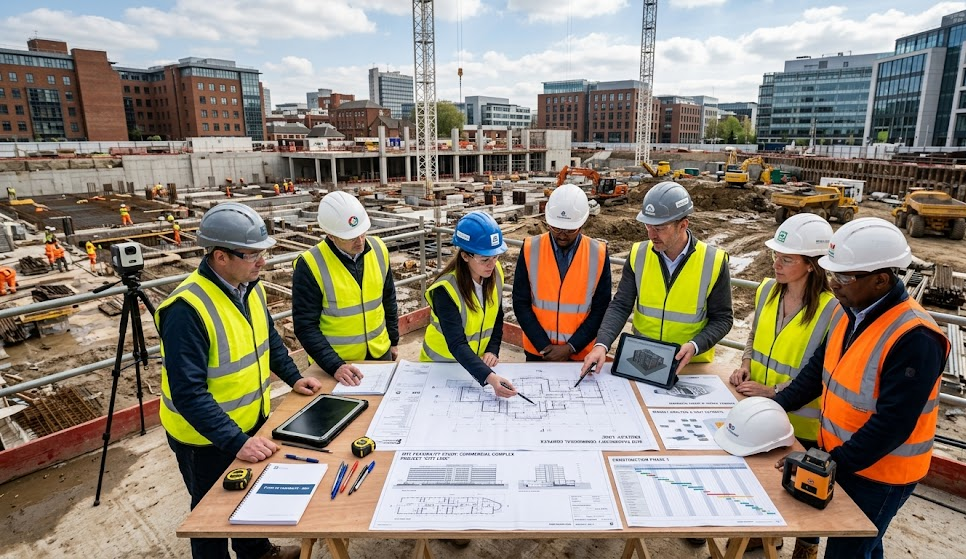
In the bustling realm of commercial construction, ensuring project viability is no small feat. Conducting a thorough site feasibility study is fundamental to navigating potential challenges, identifying opportunities, and securing a solid foundation for success. This article delves into the significance of these studies and the essential elements they encompass.
Understanding Site Feasibility Studies
An effective feasibility study serves as a baseline analysis that assesses a commercial build’s potential for success. By examining various aspects such as market demand, zoning regulations, and environmental impact, stakeholders can make informed decisions that drive project viability.
Assessing Market Demand and Viability
Understanding market demand is vital for any construction project. A comprehensive market assessment helps evaluate the need for the proposed development. This process includes:
- Analyzing demographics and target audiences
- Assessing existing competition in the area
- Projecting potential revenue streams based on market trends
With these insights, developers can establish whether the proposed site has the attributes necessary for attracting tenants or customers.
Navigating Zoning Regulations
Zoning laws can significantly influence the feasibility of a project. These regulations dictate what types of structures can be built in specific areas, making it essential for developers to understand local laws before proceeding. Key considerations include:
- Permitted land uses
- Restrictions on building height and density
- Compliance with local community standards
Adhering to zoning regulations ensures that development aligns with legal requirements, minimizing the risk of costly delays.
Evaluating Environmental Impact
Conducting an environmental impact assessment is crucial for understanding how a project interacts with its surroundings. This evaluation typically involves:
- Analyzing potential effects on local ecosystems
- Identifying habitat preservation areas
- Developing mitigation strategies for any negative impacts
By prioritizing environmental considerations, developers can foster community support and ensure a sustainable project future.
Conducting Infrastructure Evaluations
The viability of a commercial build often hinges on the existing infrastructure. Adequate access to roads, utilities, and public services must be confirmed during the feasibility study. Key aspects include:
- Assessing transportation accessibility
- Ensuring availability of essential utilities like water and electricity
- Reviewing local public services’ capacity
Infrastructure evaluations help developers identify any necessary improvements or investments for ensuring long-term project sustainability.
Estimating Costs and Financial Feasibility
Cost estimation is one of the core elements of a feasibility study. Conducting a detailed financial analysis includes assessing construction expenses, operational costs, and potential revenue. This step typically encompasses:
- Generating revenue projections
- Creating budget estimates
- Calculating return on investment (ROI)
A well-prepared financial analysis not only enables informed decision-making but also plays a pivotal role in attracting potential investors and securing funding.
Conducting Risk Analysis
Every construction project carries inherent risks. A thorough risk analysis identifies and quantifies these potential challenges, equipping stakeholders with the tools to mitigate them effectively. Essential risk factors include:
- Market fluctuations
- Regulatory changes
- Construction-related hazards
By understanding and addressing these risks upfront, project teams can minimize setbacks and enhance project chances for success.
Project Viability and Next Steps
The culmination of a thorough feasibility study is the determination of project viability. This comprehensive assessment not only guides stakeholders in making informed decisions but also influences operational planning and project timelines. Once feasibility is established, moving forward involves:
- Engaging with architects and contractors for initial designs
- Finalizing financing strategies
- Developing a project timeline based on feasibility insights
A clear path forward enhances confidence and ensures that all project participants align with the same vision.
Aligning Expertise and Resources
Ultimately, the success of a commercial construction project hinges on collaboration among experts in various fields. Engaging professionals from architecture, engineering, and finance throughout the feasibility study process enriches the quality of the analysis. Building a strong resource network can:
- Provide holistic evaluations of site conditions
- Enhance compliance with legal and environmental standards
- Facilitate effective communication among stakeholders
A united approach reinforces the foundation for a successful project outcome, ensuring the feasibility study translates into effective planning and execution.