Effective landscaping is essential for enhancing the beauty and privacy of residential spaces. Homeowners are increasingly turning to natural solutions like privacy screens and green barriers to transform their outdoor environments. This article delves into various plant-based options that not only provide seclusion but also contribute to the environmental aesthetics of residential properties.
Explore Natural Options for Privacy Screens
With the increasing need for personal space in densely populated areas, landscaping can provide beautiful and effective natural privacy screens to block unwanted views. Homeowners can create lush sanctuaries by strategically selecting plants that serve as visual barriers.
Choosing the Right Plants for Immediate Coverage
When it comes to establishing privacy screens, it’s vital to select fast-growing plants that can provide immediate coverage. Evergreen options like Leyland Cypress and Green Giant Arborvitae are particularly popular for their ability to reach impressive heights in just a few years. These varieties not only grow quickly but also maintain their vibrant colors year-round.
Another excellent choice is bamboo, especially clumping varieties, which can grow 2 to 4 feet in a single season, creating a dense barrier quickly. Layering these plants wisely ensures robust screening while enhancing the overall appeal of the garden.
Create Unique Green Barriers with Layered Planting
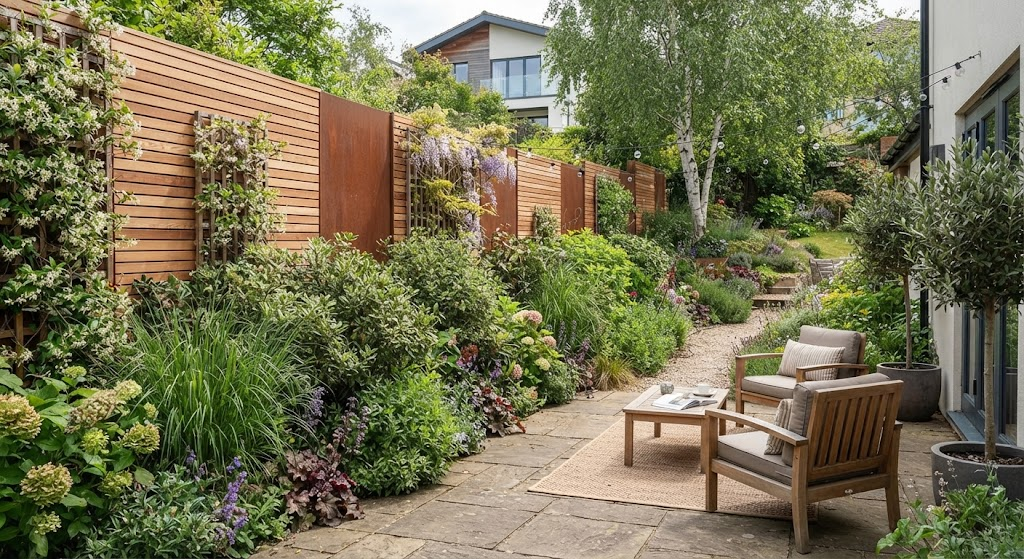
Layered plantings involve the strategic arrangement of various plant heights and textures. This method maximizes visual privacy while bringing dynamic beauty to outdoor spaces. By mixing different types of plants, homeowners can create a rich tapestry that feels natural and secluded.
Implementing a Three-Tiered Strategy for Effective Coverage
The concept of layered planting revolves around the use of tall background plants, medium-height shrubs, and low-growing ground cover. Starting with tall evergreens like Arborvitae, which can reach significant heights, sets the foundation for privacy. Next, medium shrubs such as Forsythia or Lilac can fill the gaps while offering seasonal blooms.
Finally, incorporating ground cover plants—like ornamental grasses—ensures that no gaps in coverage remain. This three-tiered approach not only increases privacy but also enhances biodiversity, attracting local wildlife while beautifying the space.
Incorporate Edible Plants for a Functional Garden
Combining aesthetics with functionality, edible plants can serve as unique privacy screens. Planting fruit-bearing trees like apple or pear can create a living fence that enhances privacy while providing delicious harvests.
Benefits of Choosing Edible Landscaping
Using plants that yield fruit or herbs alongside traditional privacy options can transform gardens into productive spaces. Berry bushes like blackberries or raspberries not only provide effective screening but can also be harvested for fresh produce. This dual purpose allows for maximizing the usefulness of limited garden space.
Moreover, incorporating herbs like rosemary and lavender not only contributes to visual separation but also enriches the sensory experience of the garden. These aromatic plants repel pests naturally, enhancing the ecological balance.
Local Species: The Best Choice for Sustainable Landscaping
Utilizing native plants for your privacy screens can significantly reduce maintenance and ensure sustainability. These plants are adapted to local conditions, requiring less water and being more resilient to pests.
Selecting Regional Flora for Optimal Growth
Choosing species that thrive in the local climate not only secures a robust and flourishing garden but also supports local ecosystems. Plants like Hazelnut or native viburnums can create dense barriers that offer privacy while establishing a habitat for local wildlife.
Additionally, native plants typically require less ongoing care, making them perfect for busy homeowners seeking low-maintenance options that still deliver substantial visual impact.
Maintain Your Green Barriers for Lasting Impact
Ensuring the longevity and functionality of your privacy screens requires regular maintenance, including pruning and monitoring for pests. This not only keeps the plants healthy but also enhances their capacity to serve as effective barriers.
Insights on Seasonal Care and Maintenance
Regular pruning helps maintain the desired shape and density of your green barriers while promoting healthy growth. As seasons change, it’s crucial to monitor the plants for any signs of pests or disease, allowing for timely interventions that ensure a thriving garden.
Additionally, considering the growth patterns of selected plants can lead to more effective spacing and arrangements, preventing overcrowding that could limit individual plant health.
Transforming Outdoor Spaces into Personal Sanctuaries
Creating a private oasis doesn’t have to feel daunting. With the plethora of options available, homeowners can choose plants that fit their aesthetic and privacy needs while contributing positively to the environment.
Start Designing Your Ideal Privacy Screen Today
By exploring various combinations of plants, from fast-growing evergreens to charming flowering shrubs, it’s entirely feasible to create a garden that serves as both a privacy barrier and a serene retreat. The key is to begin with a clear vision of your desired outcome and to select plant varieties that align seamlessly with your local climate and landscape style.
As you embark on this journey, remember that your outdoor sanctuary is just a few thoughtful plantings away. Landscaping experts can help you achieve the perfect balance of privacy, aesthetics, and functionality, creating a rich and rewarding outdoor living experience.