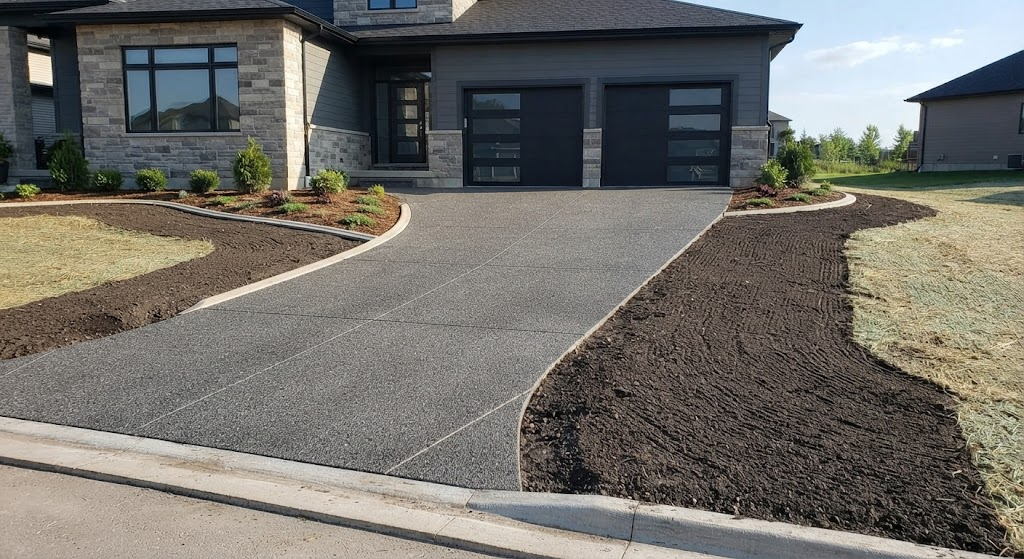
As homeowners consider the installation of new driveways, the importance of proper site grading becomes apparent. Not only does effective grading ensure optimal water drainage, but it also enhances the longevity and safety of the driveway. This article explores the essential aspects of grading around driveway entrances, including techniques, signs of improper grading, and upkeep strategies for lasting performance.
Understanding the Importance of Driveway Grading
Driveway grading is a vital process that shapes and levels the land in preparation for asphalt or concrete installation. This process involves cutting and filling the soil, which sets the stage for adequate drainage and prevents water pooling. Failing to grade properly can lead to major issues such as structural damage to the driveway, reduced lifespan, and even safety hazards.
Recognizing Signs of Improper Grading
Identifying whether a driveway has been graded correctly is crucial for homeowners. Observing certain signs can reveal potential problems:
- Puddles and Water Pooling: If you find large puddles after a rainstorm or notice water flowing towards your garage, it’s likely that the grading was insufficient.
- Cracks and Damage: Visible cracks in the asphalt or concrete could indicate that the foundation is unstable due to poor grading.
- Rustling Washouts: Areas where gravel is washed away showcase inadequate slope creation, leading to deterioration over time.
Techniques for Effective Driveway Grading
Implementing effective grading around new driveway entrances requires certain techniques to ensure durability and efficiency. It’s often a good idea to enlist professional help, especially for steep inclines.
Step-by-Step Grading Process
The grading process involves multiple crucial steps, each ensuring that water runoff is properly managed:
- Soil Assessment: Conduct soil testing to understand its composition and strength. This will guide your grading approach.
- Vegetation Removal: Clear any bushes, trees, or debris from the grading area to establish a clean working space.
- Creating a Slope: Form a slope of at least 2% away from the driveway. This ensures efficient drainage away from the surface.
- Compaction: Compact the soil properly to avoid future unevenness. It should reach a density that prevents soft spots.
Maintaining Your Graded Driveway
Driveway grading is not just a one-time process; it requires ongoing maintenance to prevent issues from arising in the future. Seasonal grading helps manage both damage and dirt displacement.
Periodic Regrading Practices
To maintain a strong driveway, consider regrading at least twice a year. Here are some best practices:
- Pothole Management: Fill in any emerging potholes with gravel or loose stones between seasonal gradings. This helps maintain a smooth surface.
- Gravel Distribution: Regularly check for drifts of gravel away from the center. Sweep any excess back into place to maintain proper grading.
- Crown Maintenance: Ensure that the crown—the highest point of the driveway—remains intact. This height is critical for directing water runoff efficiently.
Common Challenges in Driveway Grading
Even with proper planning and techniques, challenges may arise during the grading process. Understanding these potential pitfalls can help homeowners mitigate future complications.
Addressing Difficult Soil Conditions
Some areas may feature clay or other problematic soil types that can complicate grading:
- Soft Spots: Detect and stabilize soft spots through additional compaction or introducing geogrid layering to enhance structural integrity.
- Drainage Blockages: Regularly inspect drainage pathways to ensure they remain clear of debris and functioning properly.
- Weather Factors: Consider local weather conditions when scheduling grading; moisture can affect soil stability and compaction.
Professional Assistance with Driveway Grading
For significant grading projects or intricate implementations, partnering with experts in the field can yield optimal results. Professionals can offer guidance on best practices, ensuring durable and effective grading that stands the test of time.
When to Seek Expert Help
Several factors can indicate the need for professional assistance with driveway grading:
- Severe Slopes: Steep driveways often require specialized equipment and techniques to handle effectively.
- Large Areas: Extensive driveways may benefit from professional grading services to ensure uniformity and optimal drainage.
- Complex Soil Conditions: If soil tests indicate challenging conditions, an expert can provide tailored solutions for grading.
Conclusion
Understanding and implementing proper driveway grading around new entrances is essential for durability and effective drainage. Whether taking a DIY approach or working with professionals, maintaining optimal grading enhances driveway lifespan and safety.