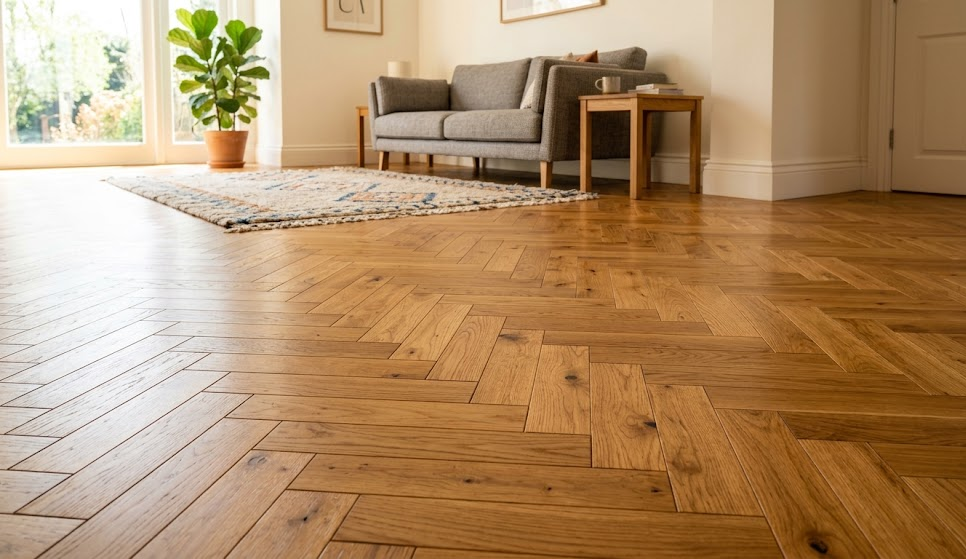
Hardwood floors embody the elegance and charm that many homeowners desire. However, over time, they can fall prey to various forms of damage that compromise their beauty and durability. Understanding the sources of this deterioration is essential for maintaining and preserving these exquisite surfaces.
Identify the Major Causes of Hardwood Flooring Damage
The longevity of hardwood flooring can be significantly impacted by a myriad of factors. Recognizing these critical elements allows homeowners to take proactive measures to protect their investment.
Water Damage from Moisture Exposure
Water damage stands out as one of the most destructive forces affecting hardwood floors. Excessive moisture can lead to a host of issues including cupping, crowning, and even warping. Common culprits consist of plumbing leaks, high indoor humidity, and spills left unaddressed.
Signs of water-related damage include:
- Cupping: Board edges are higher than the center.
- Crowning: The center of the board rises above the edges.
- Staining: Dark patches indicating moisture infiltration.
To mitigate these risks, it’s crucial to maintain indoor humidity levels between 30% and 50% and promptly address any leaks or spills.
Wear and Tear from Daily Use
Everyday activities take a toll on hardwood floors. Constant foot traffic, movement of furniture, and the claws of pets can result in noticeable scratches and dents. Over time, this wear strips the protective finish and can dull the surface.
Here are some easy strategies to limit wear:
- Utilizing felt pads under furniture.
- Encouraging guests to remove their shoes indoors.
- Regularly cleaning with appropriate wood floor cleaners.
By prioritizing preventative measures, homeowners can extend the life and vibrancy of their hardwood floors.
Humidity-Related Structural Issues
Structural movement can occur due to changes in humidity and temperature. When hardwood expands or contracts from these fluctuations, gaps may form between boards. Condition monitoring is essential to avoid damage.
Common problems resulting from humidity include:
- Gaps: Unstable movements create unsightly spaces between panels.
- Buckling: Boards can lift from the subfloor if exposed to excessive moisture.
- Cupping: A sign of underlying moisture issues.
Maintaining a consistent environment is vital to minimize these damaging shifts.
Sunlight Exposure and Fading
Prolonged exposure to sunlight can also lead to fading and discoloration. Ultraviolet (UV) rays break down the protective finish over time, resulting in uneven color changes across the floor. Rooms with ample natural light can exacerbate these issues.
To combat sun damage, consider the following strategies:
- Window coverings to reduce UV exposure.
- Placing area rugs in sunlit areas to protect the wood.
- Choosing finishes that offer UV protection during sealing.
These solutions can help maintain uniformity and enhance the longevity of hardwood floors.
Impacts of Dirt and Residue
Accumulated dirt and debris can scratch the surface of hardwood floors, leading to a worn appearance. Regular cleaning is essential to prevent this buildup, which can further weaken the protective finish.
The following tips can help keep floors looking their best:
- Implement a regular sweeping or vacuuming schedule.
- Use damp mops with wood-safe cleaning products.
- Encourage family members and guests to clean their shoes frequently.
By diligently removing dirt, homeowners can preserve both the aesthetic and functional quality of their hardwood flooring.
Mold and Mildew Threats
Lastly, persistent moisture can give rise to mold and mildew, which pose both health risks and structural harm. Addressing moisture intrusion is essential to combat these biological threats.
Key actions for mold prevention include:
- Quickly addressing any signs of water damage.
- Ensuring proper ventilation in damp areas like basements.
- Utilizing dehumidifiers in high-humidity seasons.
These preventative measures can significantly help in safeguarding the wood floor from mold-related degradation.
Conduct Regular Maintenance to Extend Lifespan
Consistent maintenance is integral to preserving the integrity of hardwood floors. Regular inspections for signs of wear or moisture damage will facilitate timely interventions.
To summarize, taking preventive steps such as controlling humidity, protecting surfaces, and promptly addressing spills can greatly enhance the lifespan and beauty of hardwood flooring. Consider consulting professionals for tailored advice on maintaining your hardwood floors.