
When it comes to construction, few materials have stood the test of time like concrete. Despite the emergence of trendy alternatives, this versatile and strong material continues to be a top choice for builders and architects alike. Let’s explore why concrete remains the most reliable building material in today’s construction landscape.
The Undeniable Strength of Concrete
When it comes to building materials, concrete stands out as a titan in the construction industry. Its compressive strength is unparalleled, allowing it to withstand heavy loads without cracking or collapsing. This makes it the material of choice for vital structures such as foundations, bridges, and skyscrapers. Unlike other materials that may falter under extreme conditions, concrete serves as a reliable backbone for ambitious construction projects.
Durability: Built to Last
Durability is a hallmark of concrete. Its capacity to endure the tests of time—spanning decades with minimal maintenance—means that structures made from concrete frequently continue standing long after their initial purpose has been fulfilled. Resistant to the ravages of weather, fire, and pests, concrete is constructed to last. Organizations have documented that many concrete structures can last over 100 years when properly maintained, a testament to this remarkable material’s longevity.
Versatility in Design and Application
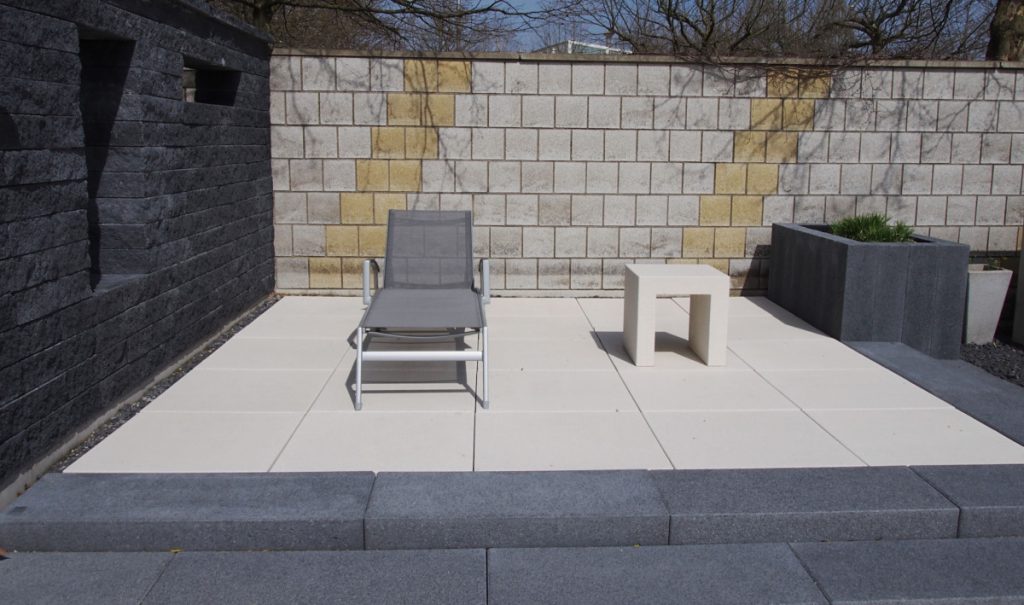
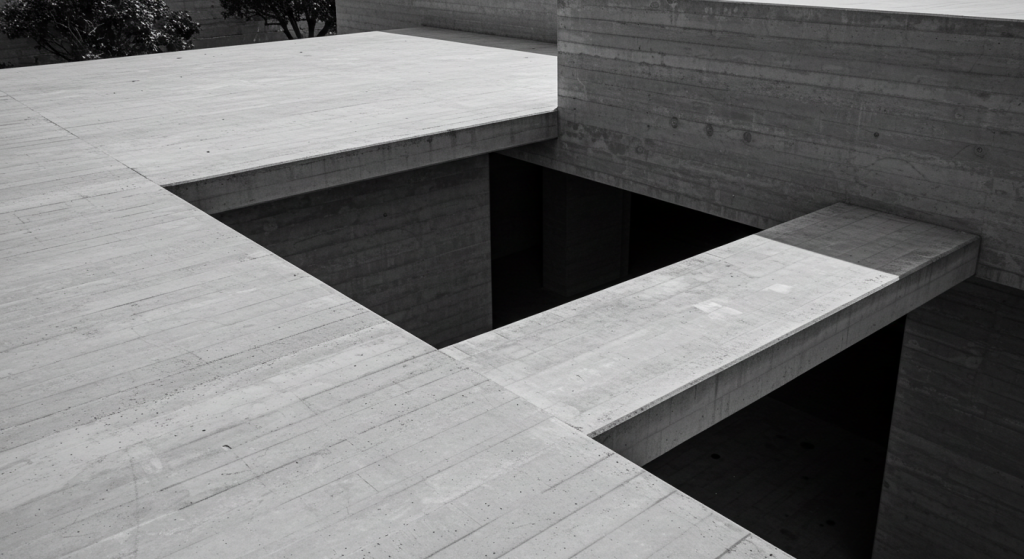
The adaptability of concrete is truly impressive. It can be molded, shaped, and adorned, allowing architects to breathe life into their visions. Concrete can be fashioned into everything from smooth surfaces to ornate designs, perfectly adapting to both practical and decorative needs. Whether it’s for roads, bridges, stunning facades, or beautiful patios, the design possibilities are virtually limitless. Recent advancements in renovation and decorative techniques, such as stamping or coloring, further emphasize concrete’s aesthetic appeal.
Cost-Effective Choice for Every Budget
Another factor that keeps concrete at the forefront of construction is its cost-effectiveness. While the initial investment may seem higher than materials like wood, long-term savings outweigh the upfront costs. Consider that many concrete structures require far less maintenance and fewer repairs over their lifespans. According to the Concrete Network, you can actually save up to 50% on lifecycle costs by choosing concrete. With its natural abundance worldwide, the raw materials needed for concrete production—cement, water, sand, and aggregates—are readily available, making it a practical option for projects of all sizes.
Eco-Friendly Construction: Sustainability in Practice
In today’s world, sustainability is crucial, and concrete contributes to green building efforts. Many manufacturers are beginning to incorporate recycled materials, such as fly ash or slag, into their mixes. This practice not only reduces the environmental impact but enhances the material properties of concrete as well. Additionally, concrete structures efficiently moderates indoor temperatures due to their ability to store heat, significantly minimizing energy costs. You don’t have to sacrifice durability or strength when choosing an environmentally friendly building material!
Safety: A Non-Combustible Champion
Safety is a crucial element in construction, and concrete delivers remarkably on this front. As a non-combustible material, it can endure temperatures up to 2,500°F without being damaged. This is particularly important during emergencies, where safety plans rely on materials that won’t easily ignite or collapse under stress. The Federal Emergency Management Agency (FEMA) has reported that structures built with concrete tend to fare better during natural disasters like earthquakes and hurricanes. Its tensile resilience allows concrete to absorb shocks, safeguarding inhabitants inside.
The Unmatched Reliability of Concrete
With an established track record of excellence, concrete remains the go-to choice for builders around the globe. Its reliability doesn’t just stop at its physical attributes; it encompasses a level of trust that builders and homeowners have come to rely on. From the simplicity of a backyard project to the complexity of urban infrastructure, concrete meets diverse demands with consistent performance and quality.
Innovative Applications of Concrete
Innovations continue to emerge, showcasing concrete’s unmatched versatility. Recent trends have explored its use in the form of creative slabs for outdoor spaces or advanced techniques in concrete restoration that enhance aesthetics without compromising functionality. This innovative spirit keeps concrete at the forefront of modern construction.
Waterproofing Techniques for Concrete Foundations
When discussing concrete, one cannot overlook the importance of waterproofing methods for foundations. These techniques enhance concrete’s capacity to withstand moisture, eliminating issues related to water damage and ensuring the structural integrity of buildings over time. Advances in waterproofing technology support the ongoing evolution of concrete as a fully-rounded building material.
Final Thoughts
In the ever-evolving landscape of construction, concrete remains the gold standard for its unmatched strength, durability, and versatility. When planning your next project, consider consulting with an expert in concrete services to ensure a sturdy and lasting structure that meets your needs.