When it comes to outdoor design, exposed concrete has emerged as a favorite for many homeowners and builders alike. It’s more than just a structural element; it marries robust durability with a modern aesthetic that can elevate any space. Discover why this versatile material is capturing hearts and transforming landscapes across the globe.
When one thinks of concrete, the immediate images that come to mind might be those of stark, grey structures or drab pavements. However, in recent years, exposed concrete has emerged as a design favorite, effortlessly merging practicality with aesthetic appeal. This remarkable material not only fortifies your architectural dreams but also adds an element of sophistication to any space.
The Aesthetic Appeal of Exposed Concrete
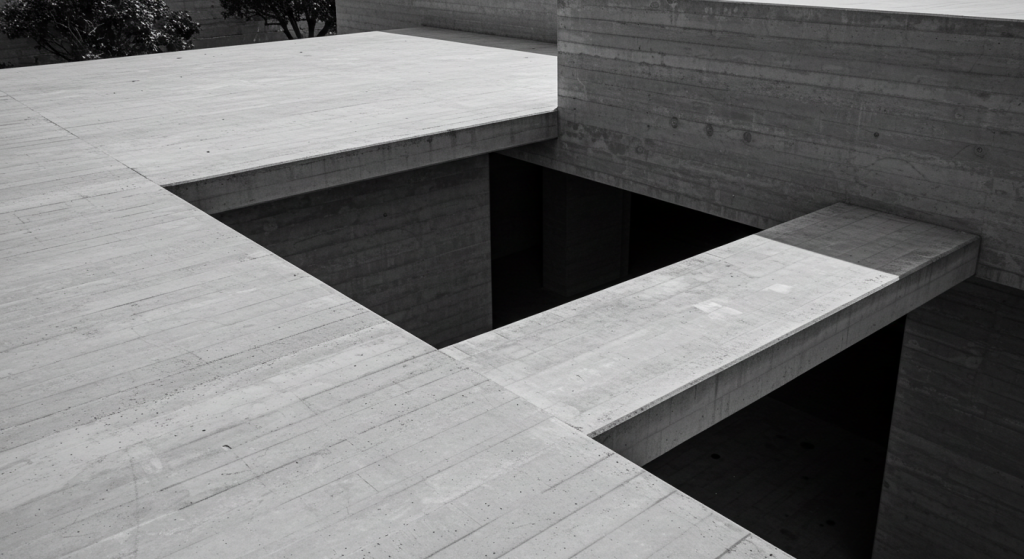
Gone are the days when concrete was cast aside as merely functional. Today, homeowners and designers alike are embracing it for its unique beauty and versatility. Exposed concrete can transition seamlessly from industrial chic to cozy modernity. Its natural hues vary from warm greys to earthy tones, allowing for creative expressions in design.
Creating Unique Spaces
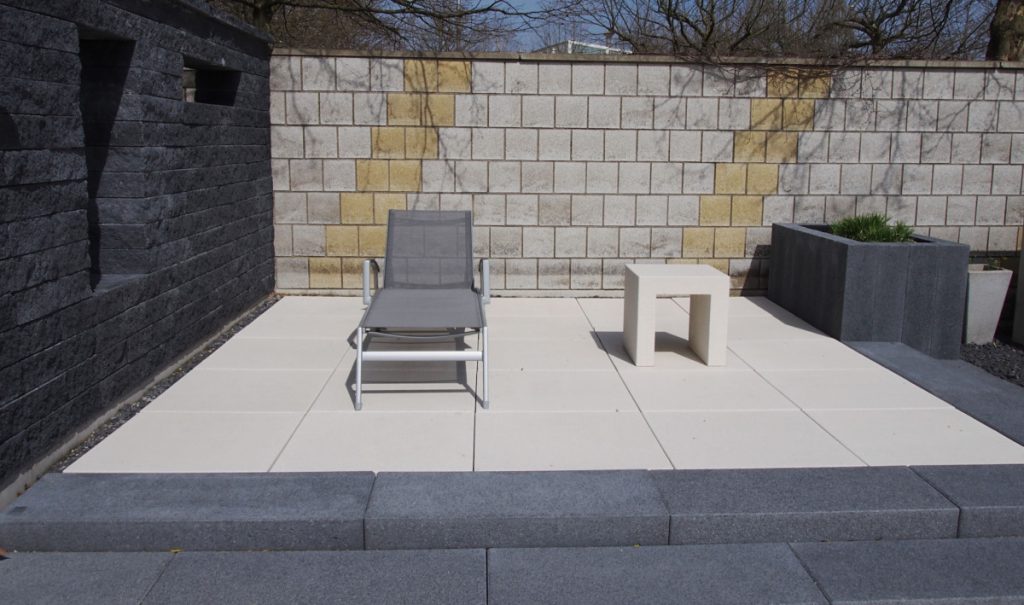
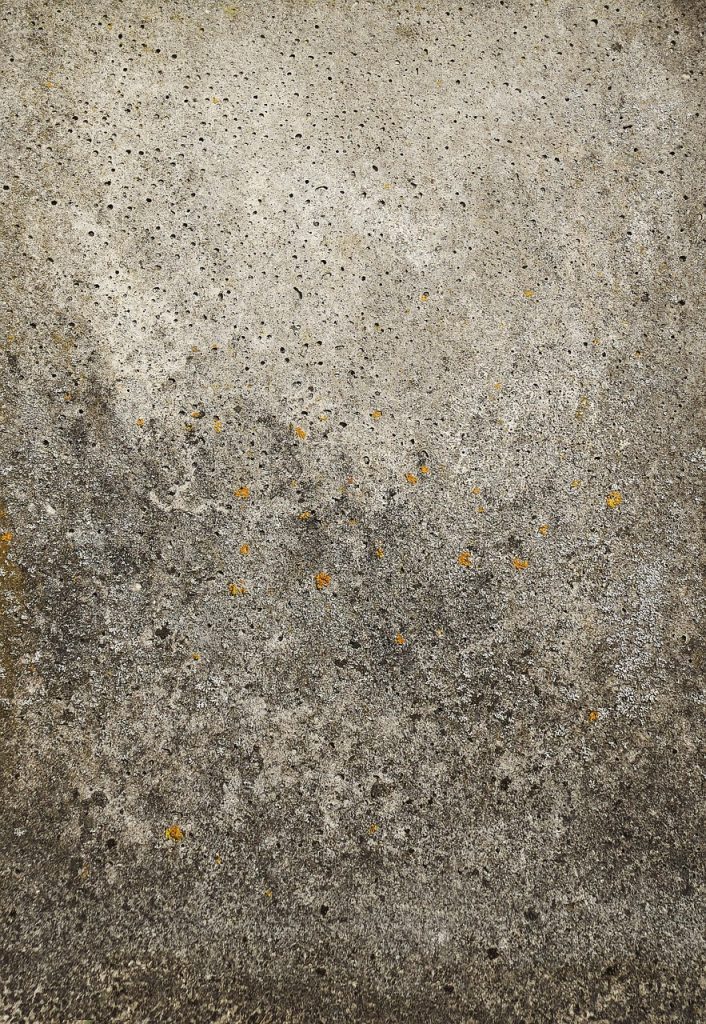
The true value of concrete lies in its texture. By showcasing the raw qualities of the material, exposed concrete brings a sense of authenticity to both interiors and exteriors. Whether used in living rooms, kitchens, or outdoor patios, this material invites warmth into spaces that could otherwise feel stark. Consider pairing it with other natural materials, such as wood or stone, to produce striking contrasts that deepen the visual appeal.
Durability at Its Core
While aesthetics are paramount, we cannot overlook the robust durability of exposed concrete. Often touted as a long-term investment, concrete footings can last anywhere from 25 to 30 years with proper care, significantly outlasting traditional alternatives. This resilience makes it a go-to choice for various construction projects—both residential and commercial.
Weather Resilience
Concrete isn’t just tough—it’s also remarkably versatile when it comes to weather conditions. With appropriate sealing methods, it stands strong against elements like rain, snow, and fluctuating temperatures. As buildings and landscapes evolve, such durability ensures that your aesthetic remains intact for years to come.
Mastering Installation
Installing exposed concrete is more than just pouring a slab; it’s about creating a functional work of art. Careful site preparation includes clearing debris, marking dimensions, and digging trenches to the appropriate depth, often recommended at least 12 inches. This meticulous attention to detail lays the foundation for a solid structure that combines strength with style.
Professional vs. DIY Approaches
While DIY enthusiasts might be tempted to tackle this project themselves, hiring professionals often yields better results. Experts possess the insights to navigate complexities such as local building codes and drainage considerations. A knowledgeable hand can transform an ordinary installation process into an extraordinary finished product.
Applications Far and Wide
Exposed concrete’s diverse applications make it a versatile player in construction and design. From patios and decks to commercial environments such as office buildings and retail spaces, its charm knows no bounds. Interestingly, studies show that about 60% of homeowners gravitate towards concrete for outdoor features, valuing both its strength and contemporary appeal.
Residential and Commercial Use
In the realm of residential projects, concrete footings can serve as solid support for features like customized decks or elaborate garden structures. Not only do they provide a breathtaking visual, but they also allow homeowners to unleash their creativity—whether aiming for a rustic charm or a sleek, modern ambience.
On the other hand, commercial applications appreciate concrete for its ability to endure heavy loads while maintaining an elegant presence. Envision bustling shopping malls or towering office buildings, where concrete provides the stability needed to support countless daily activities. Exposed footings instill confidence in both builders and visitors alike, offering a sturdy foundation that doesn’t compromise on aesthetics.
Maintenance Made Easy
Many believe that maintaining exposed concrete is cumbersome, but the reality is refreshingly straightforward. Regular sweeping to clear dirt and debris, along with occasional pressure washing, keeps surfaces pristine. Applying a high-quality sealant every few years acts as protective armor, guarding against possible wear and tear. The Portland Cement Association even highlights the importance of maintenance, suggesting that well-sealed concrete can last up to 30% longer than untreated surfaces.
Identifying and Resolving Issues
With proper vigilance, homeowners can spot potential problems early. Noting signs of cracking or uneven settling and fixing them right away can save both time and money in the long run. Simple patching and landscaping can help enhance and preserve the pristine image of your exposed concrete installations.
The Future of Exposed Concrete
What lies ahead for this ever-evolving material? Innovations in concrete technology are continuously emerging. New formulas can capture carbon during the curing process, creating a greener alternative. With possibilities like translucent concrete blends featuring glass fibers, the future seems bright for this timeless classic.
Exposed concrete has made an indelible mark on the world of architecture, proving to be more than a fleeting trend. It embraces ruggedness and elegance, bringing life to spaces both inside and out. With its unique blend of strength and style, it’s no wonder that exposed concrete continues to capture the hearts of designers and homeowners alike.
Final Thoughts
Incorporating exposed concrete into your design not only fortifies your spaces but also infuses them with a distinct aesthetic flair. If you’re looking to elevate your project with this versatile material, don’t hesitate to consult an architecture expert to bring your vision to life.