Concrete slabs are a fundamental element in construction, providing strength and durability to various structures. However, as the industry evolves, so too do the innovative uses for these slabs. This exploration delves into how modern techniques and creative applications are transforming concrete slabs into versatile solutions for today’s building challenges.
The Versatility of Concrete Slabs
Concrete slabs are the unsung heroes of the construction world. Behind the scenes, they play a role in ensuring the safety and stability of various structures. Traditionally recognized for their utility in flooring and foundations, concrete slabs have evolved to serve a variety of innovative purposes, transforming the way we approach modern construction projects.
Reinforcing Structural Foundations
When it comes to building a robust structure, the foundation is paramount. Concrete slabs provide exceptional support, serving as a solid foundation for everything from residential homes to commercial skyscrapers. Their inherent strength allows them to withstand heavy loads and seismic activities, ensuring safety and durability. Engineers often employ reinforced concrete slabs, integrating steel bars or meshes to enhance tensile strength, further stabilizing the structure.
Creating Open Spaces with Elevated Slabs
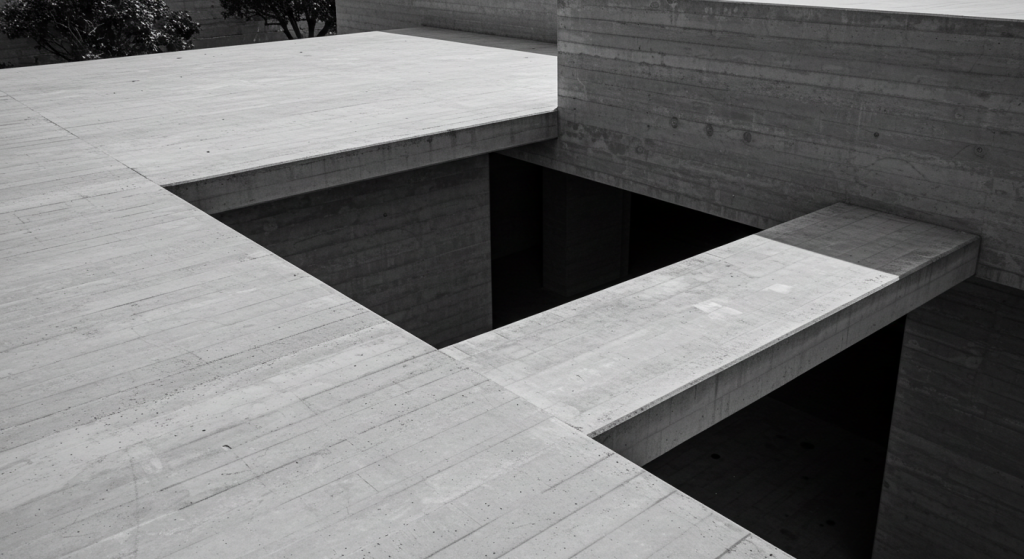
One of the most innovative uses of concrete slabs is their application in creating elevated structures. These slabs allow builders to design open-concept spaces with minimal support columns. Open areas in commercial buildings, such as supermarkets and malls, benefit greatly from this design approach. By maximizing space and allowing for flexible layouts, elevated concrete slabs facilitate an engaging environment for patrons while also optimizing the use of available real estate.
Harnessing Thermal Efficiency in Building Design
Not only do concrete slabs provide structural integrity, but they can also offer significant energy efficiency. Utilizing techniques such as thermal massing, buildings can be designed to capture, store, and gradually release heat. For example, during the day, concrete slabs absorb heat from sunlight, keeping spaces warm without relying heavily on artificial heating methods. At night, they release stored warmth, reducing energy expenditures in heating systems.
Exploring Innovative Finishing Techniques
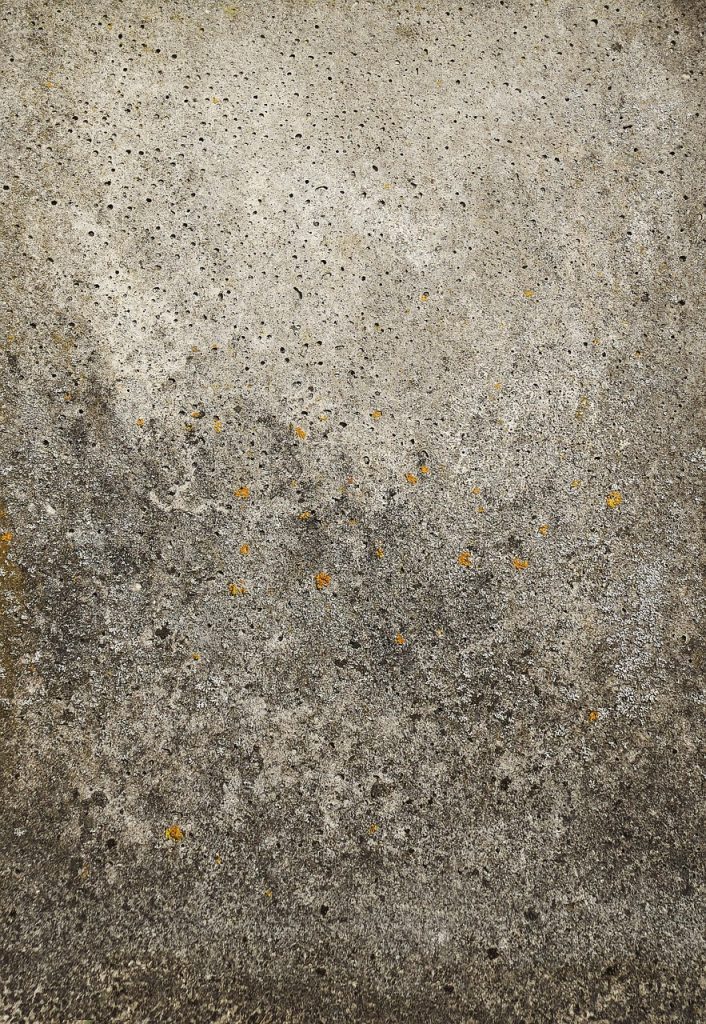
Aesthetics are essential in modern construction, and concrete slabs are no exception. Skilled craftspeople are now using advanced finishing techniques to elevate the visual appeal of concrete surfaces. Stamped, stained, and polished finishes breathe new life into otherwise mundane slabs, allowing them to blend seamlessly with various design themes.
For instance, stamped concrete creates the appearance of natural stone or brick, enhancing pathways and patios. Meanwhile, stained concrete provides unique visuals with varied colors and patterns. Homeowners can find exquisite outdoor solutions, as explored in the article on enhancing outdoor spaces.
Utilizing Concrete Slabs in Landscaping and Outdoor Design
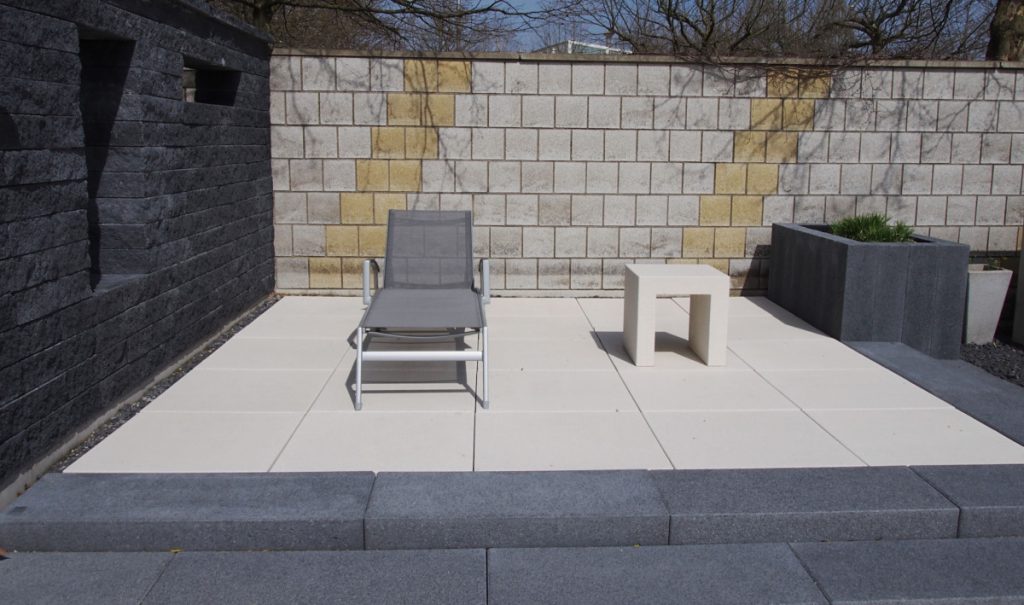
Concrete slabs are not only confined to traditional building practices but also extend into landscape architecture. These versatile elements serve as bases for elements like retaining walls, pathways, and even outdoor furniture. Their durability makes them ideal for outdoor projects requiring hardy materials that can withstand nature’s elements.
Incorporating retaining walls built from concrete slabs can help stabilize slopes and reduce soil erosion, creating visually appealing garden spaces. For creative ideas on integrating these structures into your garden, exploring the concept of creative design ideas can spark inspiration.
Concrete Slabs in Sustainable Construction
Environmental considerations are at the forefront of modern construction, and concrete slabs are adapting to meet these demands. Pervious concrete—an innovative solution—features a unique composition that allows water to flow through it, reducing runoff and promoting groundwater recharge. This sustainable option is ideal for urban areas facing flooding challenges, elegantly addressing pressing environmental concerns.
Additionally, the use of recycled materials in concrete mixtures is gaining traction. By repurposing materials such as crushed glass and rubber, builders can significantly decrease the carbon footprint of their projects while enhancing material performance.
Exploring the Benefits of Prefabricated Concrete Slabs
Another innovative application is the use of prefabricated concrete slabs. By manufacturing slabs off-site under controlled conditions, builders can ensure high-quality production while reducing on-site labor and material waste. This efficiency results in shortened construction timelines and lower overall project costs.
Prefabricated slabs also allow for creative flexibility. By customizing dimensions and finishes, construction teams can tailor these materials to meet specific project needs, adhering to design aspirations without compromising structural integrity.
Whether utilized in infrastructural integrity, landscaping elements, or eco-friendly projects, the potential of concrete slabs continues to expand, inspiring creativity within the construction industry.