Custom floor colours and finishes can shape the mood of a room as decisively as its walls, lighting, or furniture. From quiet, natural tones to expressive decorative floors, a carefully selected surface brings visual character while responding to everyday use. Understanding colour, texture, material, and maintenance helps create distinctive interiors that feel cohesive rather than overdesigned.
Choosing Custom Floor Colours for a Cohesive Interior
In interior design, flooring provides a visual foundation that connects architectural details, furnishings, and wall finishes. Pale shades can make compact rooms feel more open, while deeper colours add weight and intimacy; the best choice depends on natural light, room proportions, and the surrounding palette.
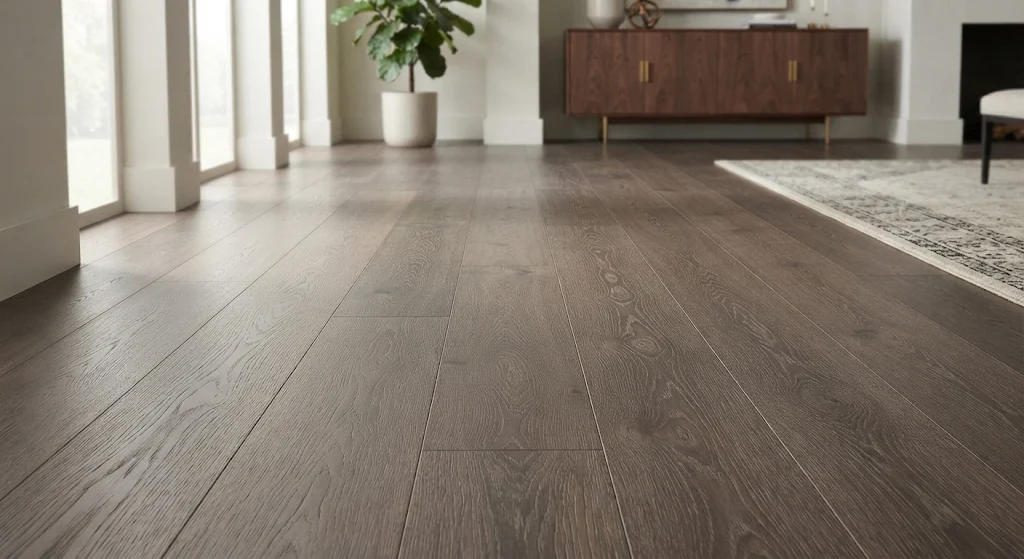
Consider how a floor will look at different times of day. Warm undertones can complement timber and cream fabrics, whereas cooler greys often sit comfortably beside stone, metal, and crisp white surfaces. Testing samples in the actual room helps reveal how daylight and artificial lighting alter their appearance.
For a balanced scheme, coordinate the floor with a limited set of colours rather than matching every element exactly. These practical considerations can guide the selection:
- Relate undertones to nearby materials, including cabinetry, stone, and wood.
- Use contrast to distinguish zones without making the overall scheme feel fragmented.
- Check samples in both bright daylight and evening light before making a final selection.
Balancing Floor Finishes and Surface Textures
Colour sets the atmosphere, while floor finishes influence reflection, grip, and the way a surface feels underfoot. Matte finishes tend to soften glare and create a more understated effect; satin and polished options reflect more light and can make a room appear brighter, though they may show marks more readily.
Surface textures also affect both appearance and function. Subtle texture can add depth to a restrained palette, while a more pronounced pattern may become the room’s main visual feature. In busy areas, the choice should account for cleaning needs and slip resistance, not just the first impression.
Material matters as much as sheen. Comparing vinyl flooring formats can clarify how construction affects the look and performance of a surface. Concrete offers another distinct aesthetic, and its wider applications are explored in this overview of concrete slabs in construction.
Comparing Bespoke Flooring Options by Room
Bespoke flooring is most effective when its appearance suits the room’s purpose. Kitchens and entryways often benefit from durable, easy-care surfaces, while bedrooms may call for a quieter finish that supports a softer atmosphere. Residential flooring should also work with circulation, furniture placement, and the home’s overall design language.
The table below offers a starting point for comparing common design priorities. Specific performance depends on the product and installation, so manufacturer guidance should inform the final choice.
| Design priority | Colour approach | Finish consideration |
|---|---|---|
| Open, light-filled feel | Pale neutral or soft natural tone | Matte or gentle satin |
| Defined, intimate atmosphere | Deep, warm, or high-contrast shade | Low sheen to limit glare |
| Expressive focal point | Distinctive colour or pattern | Texture selected to support the design |
Planning Decorative Floors for Lasting Character
Decorative floors can bring individuality through colour blocking, borders, patterns, or a distinctive aggregate effect. The strongest designs have a clear relationship to the architecture: a patterned surface can enrich a simple room, while a more restrained treatment may let ornate details take the lead.
Before installation, confirm that the chosen finish suits the substrate, traffic level, and cleaning routine. A flooring professional can assess these conditions, explain sample variations, and recommend suitable installation methods. This planning protects both the visual result and its long-term practicality.
Custom colour and finish decisions work best when appearance and performance are considered together. For advice tailored to a specific room or specialist installation, consult a qualified flooring professional before finalising the design.