Discover the Characteristics of Oak Flooring
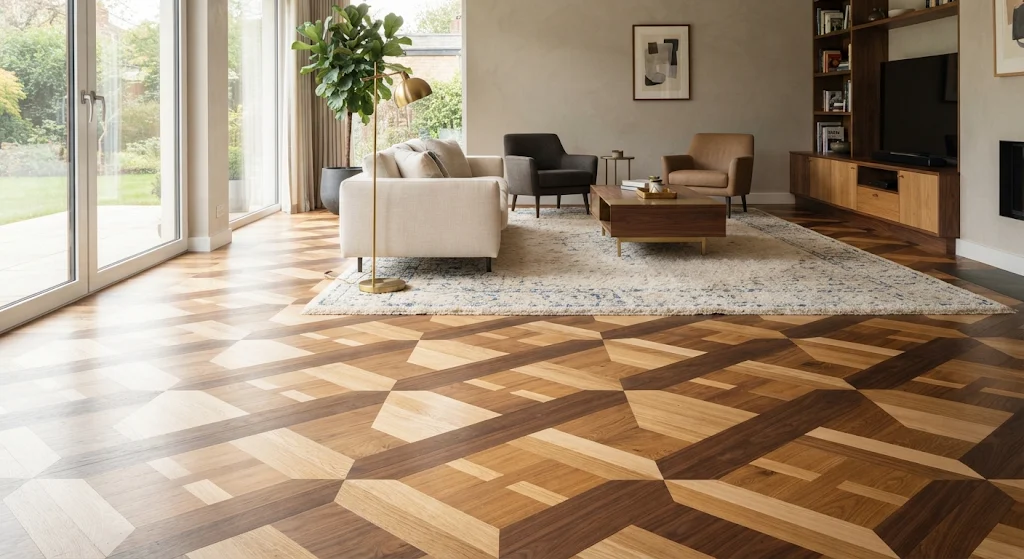
Oak is one of the most widely used hardwood species for flooring. Its combination of strength, attractive grain patterns and adaptability makes it suitable for various interior styles, from traditional homes to contemporary spaces.
Explore Red and White Oak Varieties
Oak flooring is commonly available in two main varieties:
-
Red oak: Recognised for its warm reddish undertones and prominent grain patterns, it brings a welcoming appearance to living spaces.
-
White oak: Features softer brown and beige tones, with a more subtle grain that works well in modern and minimalist interiors.
Both varieties offer good durability for everyday residential use. Their natural textures also accept different stains and finishes, allowing homeowners to customise the final appearance.
Oak’s versatility makes it suitable for living rooms, bedrooms, hallways and other frequently used areas. Its ability to complement different furniture styles and decorative elements contributes to its lasting popularity.
Examine the Appearance of Maple Hardwood
Maple flooring is appreciated for its light colour, smooth texture and relatively understated grain. Its clean appearance makes it particularly attractive in interiors where natural light and visual simplicity are important.
Understand Maple’s Distinctive Features
Compared with oak, maple generally has a more uniform grain pattern. Its colours range from creamy white to pale reddish-brown, creating a bright and understated foundation for different decorative styles.
Several characteristics explain its popularity:
-
Light natural tones: Maple helps create an open and airy atmosphere, particularly in smaller rooms.
-
Subtle grain patterns: Its relatively discreet markings provide a cleaner appearance than more visibly textured woods.
-
Hard surface: Maple offers good resistance to everyday wear, making it suitable for active residential environments.
-
Versatile finishes: Clear coatings and light stains preserve its natural appearance, while darker finishes create a different decorative effect.
Maple flooring works particularly well with contemporary furniture, neutral colour palettes and Scandinavian-inspired interiors. However, its smoother grain can make scratches and surface imperfections more noticeable under certain lighting conditions.
Discover the Strength and Texture of Hickory
Hickory is known for its distinctive appearance and impressive hardness. Its pronounced grain variations, contrasting colours and natural markings give flooring a more expressive character than many other hardwood species.
Consider Hickory for Distinctive Interiors
Hickory often combines light cream shades with darker brown tones, creating noticeable variations between individual boards. This natural contrast makes it suitable for homeowners who prefer flooring with a strong visual identity.
Its main characteristics include:
-
High hardness: Hickory is particularly resistant to dents and impacts compared with many common domestic hardwood species.
-
Pronounced grain: Its irregular patterns create visual depth and a distinctive natural appearance.
-
Colour variation: Different shades within the same floor produce a more varied decorative effect.
-
Rustic appeal: Its textured appearance complements farmhouse, country-style and traditional interiors.
Hickory can also work in contemporary spaces when paired with simple furniture and understated decorative elements. Its naturally varied appearance, however, may not suit interiors that require a highly uniform floor.
Compare Oak, Maple and Hickory Flooring
Although all three species are suitable for hardwood flooring, their characteristics differ in ways that can influence purchasing decisions.
|
Feature |
Oak |
Maple |
Hickory |
|---|---|---|---|
|
Appearance |
Pronounced natural grain |
Smooth and subtle grain |
Bold and contrasting patterns |
|
Colour |
Beige, brown and reddish tones |
Creamy white and pale brown |
Cream, tan and dark brown |
|
Hardness |
Good |
High |
Very high |
|
Interior style |
Traditional and contemporary |
Modern and minimalist |
Rustic and distinctive |
|
Visual variation |
Moderate |
Relatively subtle |
Pronounced |
These differences influence how each species interacts with furniture, wall colours and lighting. Oak offers a balanced appearance, maple creates a lighter atmosphere, and hickory introduces stronger contrasts.
Consider Finishes and Maintenance Requirements
The final appearance and performance of hardwood flooring depend not only on the wood species but also on its finish. Surface treatments help protect the boards against everyday wear, moisture exposure and minor scratches.
Select a Suitable Surface Finish
Several finishes are commonly available:
-
Matte finishes: Preserve a natural appearance with limited shine.
-
Satin finishes: Provide a gentle sheen that suits many interior styles.
-
Gloss finishes: Create a reflective surface that highlights the wood’s grain and colour.
-
Oil-based finishes: Enhance natural tones and provide a distinctive surface appearance.
The most appropriate option depends on the desired interior style, expected foot traffic, maintenance preferences and overall design. Consulting a flooring expert can help homeowners compare these characteristics and select hardwood flooring that combines visual appeal, practical performance and long-term satisfaction.