If you want your trees to flourish and thrive, understanding the right treatment methods is essential. From regular pruning to effective pest control, there are numerous strategies to ensure your trees remain healthy and vibrant. Join us as we explore the best tree care practices to keep your greenery thriving year-round.
Why Tree Health Is Important
Understanding the importance of tree health is the first step towards ensuring their longevity. Healthy trees provide shade, reduce energy costs, and increase property value. Additionally, well-maintained trees can significantly boost the environment by contributing to cleaner air and promoting biodiversity. Since trees do not succumb to age alone but rather through diseases, pests, and poor care, a proactive approach to their maintenance is critical.
Root Fertilization: Nourishing Your Trees
The foundation of any thriving tree is its root system. Root fertilization or plant nutrition is often overlooked but is vital for healthy growth. Nutrient deficiencies caused by soil compaction, poor drainage, or drought can hinder a tree’s development. By applying a balanced fertilizer, you can fortify the tree’s health, promoting robust growth and resilience against environmental stressors.
Effective Pruning Techniques for Tree Health
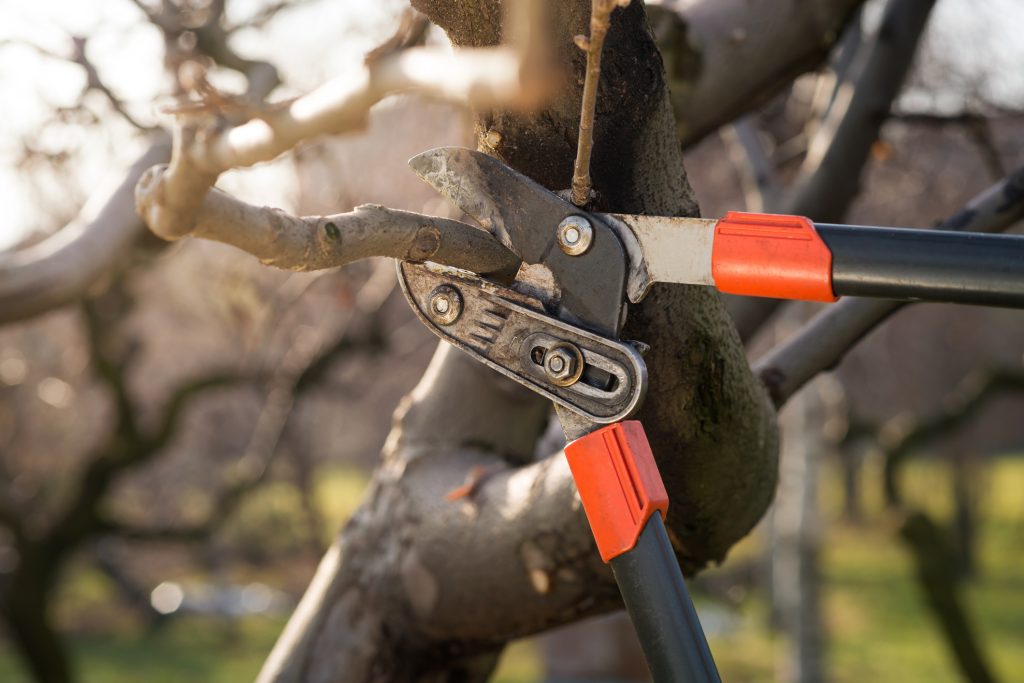
Regular pruning is a fundamental practice in maintaining a tree’s vitality. It involves the selective removal of branches to prevent disease spread, reduce overlapping branches, and improve light penetration. However, the key lies in knowing when and how much to prune. Misguided pruning practices, such as “broccoli cutting,” can tremendously harm the tree’s structure and overall health. For comprehensive insights into tree pruning, resources such as this guide can provide invaluable information.
The Importance of Mulching
Mulching is an effective method to preserve soil moisture and protect the roots of your trees. A layer of mulch helps retain water, insulates against temperature fluctuations, and suppresses weed growth. However, it is essential to maintain an appropriate depth—usually about two to four inches—while ensuring the mulch does not touch the tree trunk. By creating a protective barrier, mulch can significantly enhance a tree’s health.
Aeration: Ensuring Nutrient Accessibility
Soil compaction can inhibit a tree’s root system from accessing vital nutrients. Aeration helps to alleviate compacted soil, allowing water and oxygen to penetrate more efficiently to the roots. This practice enhances the tree’s ability to absorb nutrients and can significantly decrease the risk of disease by improving drainage around the roots. Regular aeration can make a marked difference in the vitality of your trees.
Disease and Pest Control: Protecting Trees
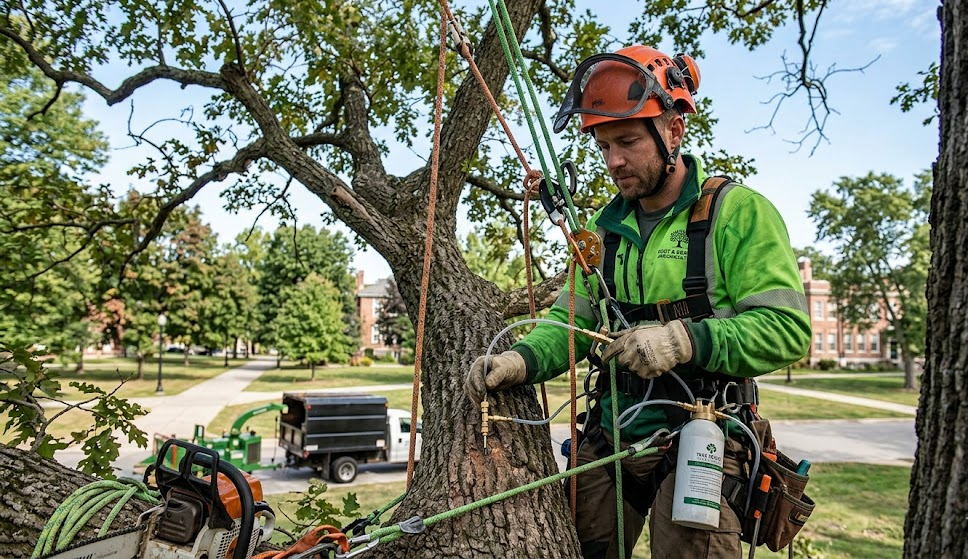
Insects and diseases are unavoidable aspects of nature, but maintaining an awareness of the common threats can help you proactively manage them. Treatments for tree pests like aphids, spider mites, and Japanese beetles can be achieved through targeted sprays and treatments that are either soil-based or trunk applied. Preventative measures can also be taken to minimize infestations and subsequent damage. Regular monitoring is crucial; consult a professional if you notice signs of distress, such as discoloration or unusual leaf drop.
Understanding Common Tree Problems
- Leaf Rust: This fungal issue can cause discolored spots but is rarely life-threatening.
- Fire Blight: Characterized by burnt-looking branches, this bacterial infection can spread rapidly.
- Emerald Ash Borers: These invasive pests destroy the bark, and if detected early, can be mitigated.
Ensure Proper Watering Practices
Watering is another critical factor in tree health. Young trees require more frequent hydration compared to their mature counterparts. Adequate watering encourages deep root growth, crucial for stability and vitality. Aim for deep watering every few weeks, especially in dry climates, to keep your trees hydrated. A lack of moisture can lead to weak trees susceptible to disease and pests.
Protecting Tree Roots and Trunks
Aside from regular treatments, protecting the physical integrity of your trees is equally essential. Fencing young trees from animals like deer can prevent bark damage. In urban areas, fencing can also protect tree trunks from lawnmowers and foot traffic, ensuring that root systems remain undisturbed. Preventative care—such as the use of protective barriers—can save trees from needless harm.
Caring for your trees requires knowledge and dedication, but the rewards are well worth the effort. By utilizing the right tree treatment methods and seeking the help of an expert arborist, you can ensure your trees remain healthy and vibrant for years to come. Don’t hesitate to reach out for professional assistance to safeguard your green investments.