
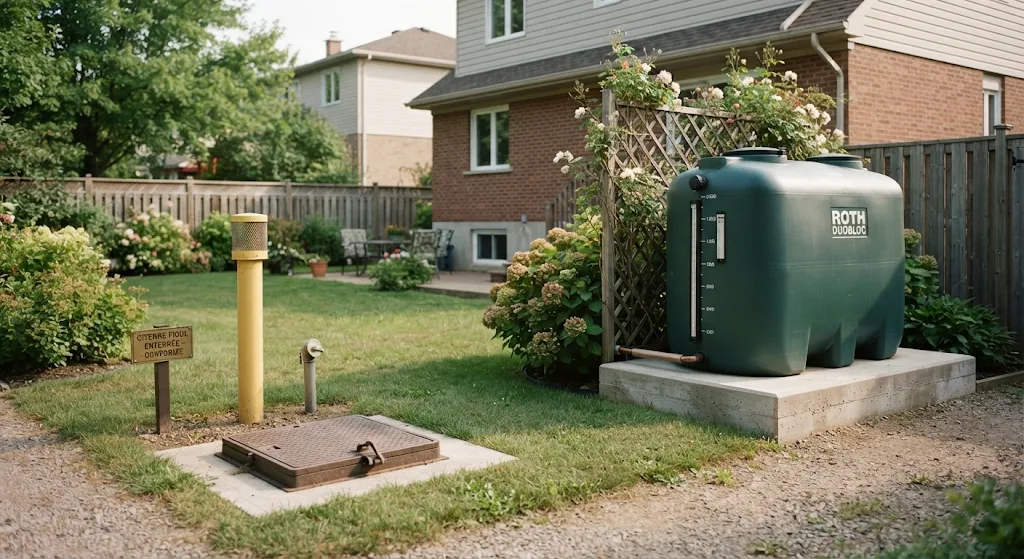
Understand Aboveground Oil Tank Removal
Aboveground oil tanks are installed on the surface, usually in basements, garages, utility rooms or outdoor areas. Their visible position generally makes them easier to inspect and access than underground installations. Nevertheless, removing one requires careful preparation to prevent fuel spills, leaks and damage to surrounding structures.
Prepare the Tank for Removal
Before dismantling an aboveground oil tank, professionals assess its condition, dimensions, location and remaining fuel level. They also examine connections, pipes and surrounding surfaces to identify potential hazards.
The preparation phase generally includes several operations:
-
Disconnecting the system: Fuel lines, electrical connections and associated heating equipment are safely isolated.
-
Removing remaining oil: Any usable or residual fuel is extracted using suitable pumping equipment.
-
Cleaning the interior: Sludge, sediments and fuel residues are removed to reduce contamination risks.
-
Ventilating the tank: Appropriate procedures help manage potentially hazardous vapours before further work begins.
These operations are important because even an apparently empty tank can contain combustible vapours and petroleum residues.
Dismantle and Transport the Equipment
Once the tank has been emptied and cleaned, the removal method depends on its dimensions and installation location. Smaller units may be removed in one piece, while larger tanks sometimes need to be cut into manageable sections using appropriate safety precautions.
Professionals protect nearby walls, floors and equipment during the operation. They then transport the removed components to an authorised facility for appropriate recycling or disposal. The surrounding area is also inspected to identify any signs of fuel leakage that may have affected the property.
Understand Underground Oil Tank Removal
Underground oil tanks are buried beneath gardens, driveways, commercial premises or other outdoor areas. Unlike aboveground models, their condition cannot always be assessed through a simple visual inspection. Corrosion, structural deterioration and undetected leaks can create environmental concerns, particularly when petroleum products enter surrounding soil or groundwater.
Locate and Expose the Tank
The first stage involves identifying the tank’s exact position, dimensions and accessibility. Professionals may consult property records, examine existing fuel lines and use specialised locating equipment.
Excavation is then carried out to expose the tank. This operation requires particular attention to underground utilities, nearby foundations and soil stability. Depending on the installation, access may involve removing sections of landscaping, pavement or other surface materials.
Once exposed, the tank can be inspected for visible damage, corrosion and signs of leakage.
Empty, Clean and Extract the Tank
Underground tank removal involves several specialised operations designed to reduce environmental and safety risks:
-
Extracting residual fuel: Remaining oil and accumulated sludge are removed using suitable pumping equipment.
-
Cleaning the interior: Professionals eliminate fuel residues and prepare the tank for safe handling.
-
Managing vapours: Appropriate ventilation and safety controls help limit exposure to hazardous or combustible gases.
-
Lifting the tank: Excavation equipment is used to extract the structure without damaging nearby installations.
-
Transporting the equipment: The removed tank is taken to an authorised destination for disposal or recycling.
Depending on local requirements and site conditions, soil sampling may also be necessary to determine whether a leak has caused contamination.
Compare the Main Differences Between Removal Procedures
Although both procedures involve emptying, cleaning and transporting the equipment, their practical requirements differ considerably.
|
Consideration |
Aboveground tanks |
Underground tanks |
|---|---|---|
|
Accessibility |
Generally easy to access |
Requires excavation |
|
Initial inspection |
Mostly visual |
May require locating equipment |
|
Site preparation |
Protects nearby surfaces and structures |
May involve removing soil, pavement or landscaping |
|
Extraction |
Manual handling or lifting equipment |
Excavation and lifting machinery |
|
Environmental concerns |
Possible leaks affecting floors or surrounding areas |
Potential soil and groundwater contamination |
|
Final restoration |
Cleaning and repairing the installation area |
Refilling excavated areas and restoring the surface |
Consider Safety and Environmental Requirements
Oil tank removal involves more than dismantling and transporting an obsolete structure. Fuel residues, combustible vapours and possible contamination require appropriate technical knowledge and protective measures.
Rely on Qualified Removal Professionals
Professional contractors assess the installation before selecting suitable equipment and procedures. They also consider applicable environmental regulations, waste management requirements and local authorisation processes.
Important considerations include:
-
Leak detection: Identifying signs of fuel loss helps determine whether additional environmental investigations are necessary.
-
Soil assessment: Underground installations may require sampling when contamination is suspected.
-
Waste management: Extracted fuel, sludge and contaminated materials must be handled through appropriate channels.
-
Regulatory compliance: Removal, reporting and disposal procedures must follow the requirements applicable to the property.
In both situations, professional intervention helps manage potential hazards, protect the property and ensure appropriate disposal. Understanding the removal process allows property owners to anticipate the necessary work and make informed decisions when replacing an ageing oil storage system or preparing a site for another use