Transforming your yard into a stunning outdoor oasis starts with pruning your trees. Discover how these essential tree trimming tips can enhance the beauty of your landscape while promoting the health and growth of your trees. Whether you’re a seasoned gardener or just starting out, these insights will guide you to a pristine and attractive space.
Understanding the Importance of Tree Trimming
Tree trimming goes beyond mere aesthetics. Regular maintenance holds numerous benefits:
- Encourages Healthy Growth: Removing dead or diseased branches allows nutrients to be funneled to healthier parts of the tree.
- Improves Safety: Trimming reduces the risks of falling branches, which can pose hazards to people and pets.
- Enhances Appearance: A well-trimmed tree boosts curb appeal, contributing to an inviting ambiance.
- Increases Sunlight: Proper trimming allows sunlight to penetrate the canopy, encouraging lower growth.
When is the Best Time for Tree Trimming?
Timing is crucial when it comes to tree maintenance. The ideal period for trimming largely depends on the species:
Deciduous Trees
Typically, late winter to early spring is the perfect time for pruning deciduous trees. During these months, the absence of leaves allows for a clear view of the branch structure.
Evergreen Trees
For evergreens, light trimming can be performed almost anytime; however, early spring or mid-summer is preferable for major adjustments to maintain their health without affecting growth.
Fruit Trees
Most fruit trees benefit from pruning either late winter or early spring; however, specific varieties may require summer attention to minimize the risk of disease.
Essential Tools for Effective Tree Trimming
Having the right tools can make all the difference in your trimming endeavors. Here are some key instruments you shouldn’t overlook:
- Hand Pruners: Perfect for small branches (up to 1 inch in diameter).
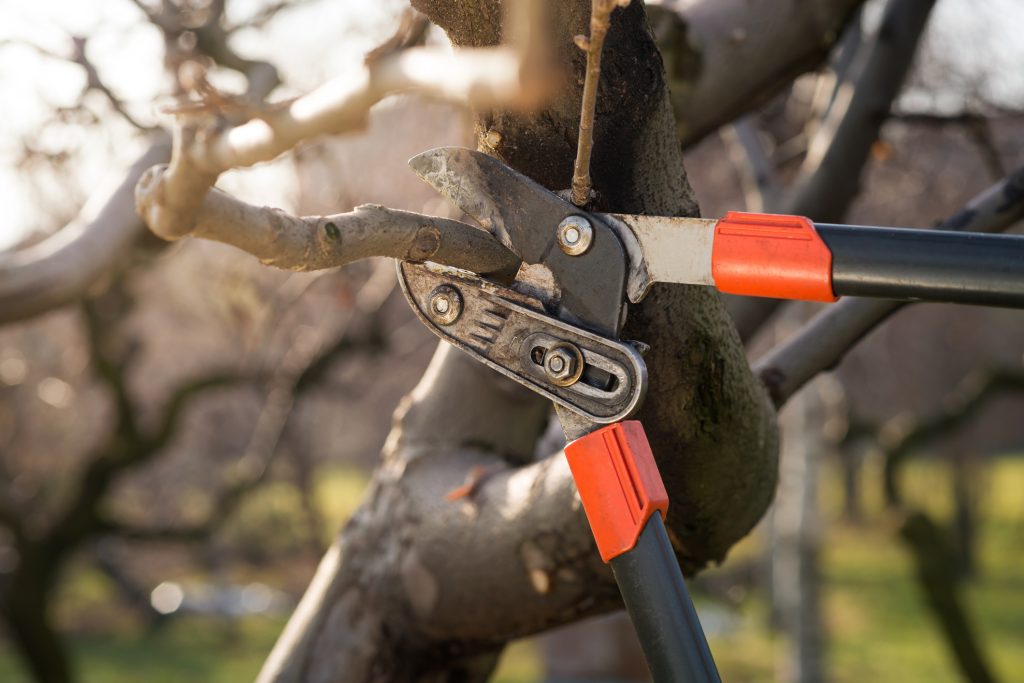
- Loppers: Use these for medium branches (1–2 inches).
- Pruning Saw: Indispensable for larger branches (over 2 inches).
- Pole Saw: Ideal for reaching high branches while keeping you safely grounded.
Techniques for Successful Tree Trimming
Now that you’re equipped with the right tools, it’s time to master the technique. Here’s how to approach tree trimming effectively:
1. Assess the Tree
Before you wield any tool, take a good look at the tree. Identify branches that are dead, diseased, or crossing over other branches. Understanding the structure aids in making informed decisions about what needs removal.
2. Start with the 3 D’s
Focus first on the dead, damaged, and deranged branches. Removing these will not only enhance the tree’s appearance but also support its health. For example:
- Dead Branches: These are often brittle and do not respond to seasonal changes.
- Damaged Branches: Cracked or splintered branches need to go for the tree’s sake.
- Deranged Branches: Crossing or oddly growing branches disrupt the overall shape.
3. Employ the Right Cutting Technique
For larger branches, use the three-cut method to prevent bark tearing:
- Make an undercut a few inches from the trunk.
- Follow with a top cut to remove the branch’s weight.
- Make the final cut just outside the branch collar to ensure proper healing.
Avoid Common Tree Trimming Mistakes
Every gardener should be wary of mistakes that can harm trees:
- Over-Pruning: Refrain from removing more than 25% of a tree’s canopy in a single season.
- Improper Cuts: Avoid cutting too close to the trunk to ensure proper healing.
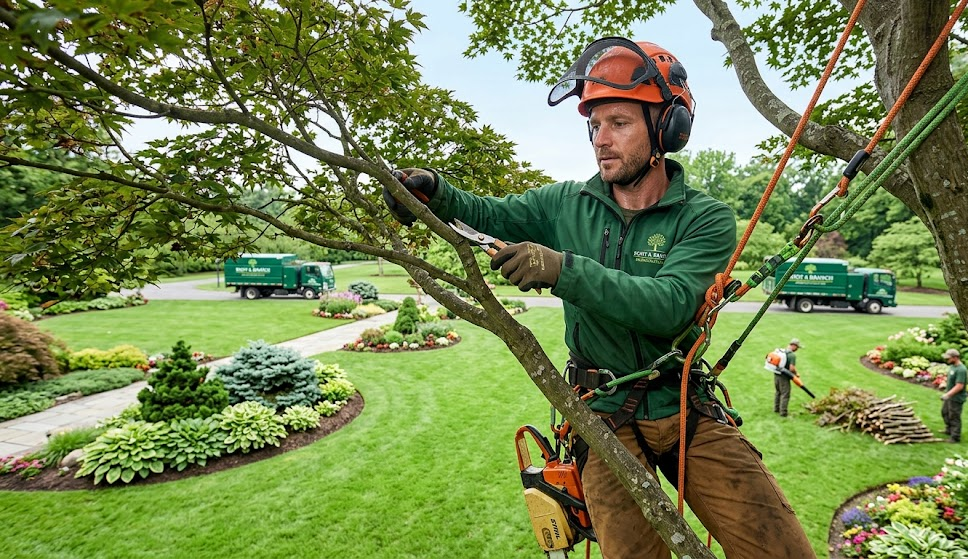
- Neglecting Safety: Always wear gloves and goggles, and never attempt to prune trees without proper equipment.
Seeking Professional Help for Complex Tree Trimming
While many trimming tasks can be tackled independently, certain situations may warrant professional assistance. Consider hiring an arborist if:
- Branches are unreachable without a ladder.
- The tree is near power lines or structures, posing safety risks.
- You notice signs of disease that require expert diagnosis.
Conclusion – Achieving a Pristine Yard
For more in-depth resources on timing and techniques tailored to your specific trees, don’t hesitate to explore further insights on tree trimming strategies by checking this guide.
Taking the time to properly prune your trees not only enhances their health but also contributes to a cleaner and more beautiful yard. If you’re unsure about your tree trimming skills or managing larger trees, consider consulting an expert arborist to ensure your yard looks its best.