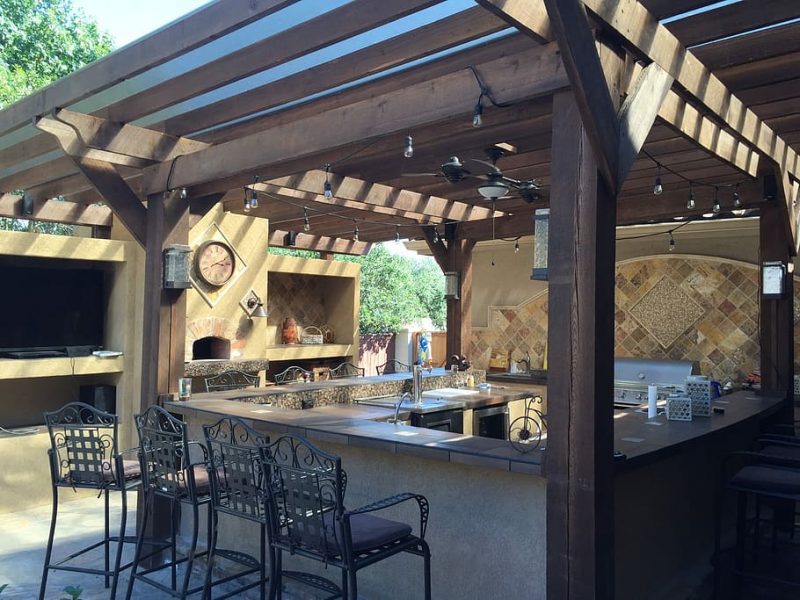

Transforming your outdoor space into a stunning retreat starts with a well-planned pergola. In this article, we’ll explore the essential factors that contribute to a successful custom pergola project, ensuring you create a stylish and functional addition to your home that enhances your outdoor living experience.
Understanding the Purpose of Your Pergola
Before you dive into construction, it is crucial to clearly define the purpose of your pergola. Are you envisioning a cozy dining area, a relaxing lounge space, or a charming garden retreat? Identifying your needs will guide your design choices and ensure the structure serves its intended function. For instance, if outdoor dining is the goal, you may want to consider options that provide adequate shade during hot summer days.
Choosing the Right Location for Your Pergola
The location of your pergola can make or break the overall impact of your outdoor project. Think about the natural light and the view you want to capture. Whether you prefer a standalone feature in the garden or a structure attached to your home, careful placement is essential. Utilize stakes to mark the spot, ensuring that it aligns with any existing features like patios or walkways for a cohesive look.
Consider Sunlight and Wind Exposure
Another important aspect of location is understanding sunlight and wind exposure. Position your pergola to shield from harsh afternoon sun while allowing the gentle morning light to filter through. Additionally, consider any prevailing winds that may affect your comfort. Ideally, your pergola should be a haven that offers both shade and protection against the elements.
Material Selection and Durability
The materials you choose for your pergola will profoundly affect its durability and overall look. Popular choices like pressure-treated wood, cedar, or even composite materials boast unique attributes. Each option varies in maintenance requirements, appearance, and resilience against environmental factors. For example, cedar offers a naturally appealing finish but requires regular sealing to maintain its charm, while composite materials may demand less upkeep.
Structural Integrity and Longevity
Don’t overlook structural integrity when selecting materials. Ensure that your chosen components can withstand various weather conditions. For instance, investing in high-quality hardware like stainless steel screws and brackets will enhance stability and longevity. By prioritizing these details, you set a solid foundation for your pergola.
Design Considerations and Customization
Design is where creativity blossoms in your pergola project. This is your opportunity to express your personal style while also considering the architecture of your home. Start with the roof design—whether it is a traditional slatted roof or a modern louvered option, the choice will dictate how much sunlight and rain protection your pergola offers.
Incorporating Functional and Aesthetic Elements
Incorporating functional elements into your design can further enhance the user experience. For example, adding integrated lighting can create a cozy ambiance during evening gatherings. Furthermore, considering textured features like lattice panels provides not only visual interest but also supports climbing plants, adding a touch of nature to your structure.
Planning for Permits and Compliance
Planning and construction often involve regulations that require permits, especially if your custom pergola exceeds certain dimensions. The last thing you want is to encounter legal issues midway through your project. Take the time to investigate local building codes and ensure your design complies with regulations. Early involvement in this process streamlines construction and avoids potential penalties.
Seasonal Changes and Usability
Your pergola should not only enhance your outdoor experience throughout the summer; it should also be functional across seasons. Features like adjustable louvers enable you to adapt to changing weather conditions. This flexibility allows you to enjoy your pergola all year round, transforming it into a cozy shelter during inclement weather.
Final Inspection and Ongoing Maintenance
Once your custom pergola is complete, applying a final inspection ensures that all components are secure and visually appealing. Check for plumb posts and tight connections, making necessary adjustments before enjoying your new structure. Regular maintenance is paramount for longevity; inspect the wood every few months to catch signs of wear before they escalate.
Cleansing and Protecting Your Pergola
Protecting your pergola from the elements is crucial. Regularly cleaning the structure to remove debris and applying protective stains or paints regularly are simple yet effective ways to ensure it stays beautiful for years to come. These steps not only maintain appearance but also enhance durability, allowing you to enjoy your outdoor retreat for many years.
For those considering the benefits of advanced designs, bioclimatic pergolas offer innovative solutions tailored for diverse climates.
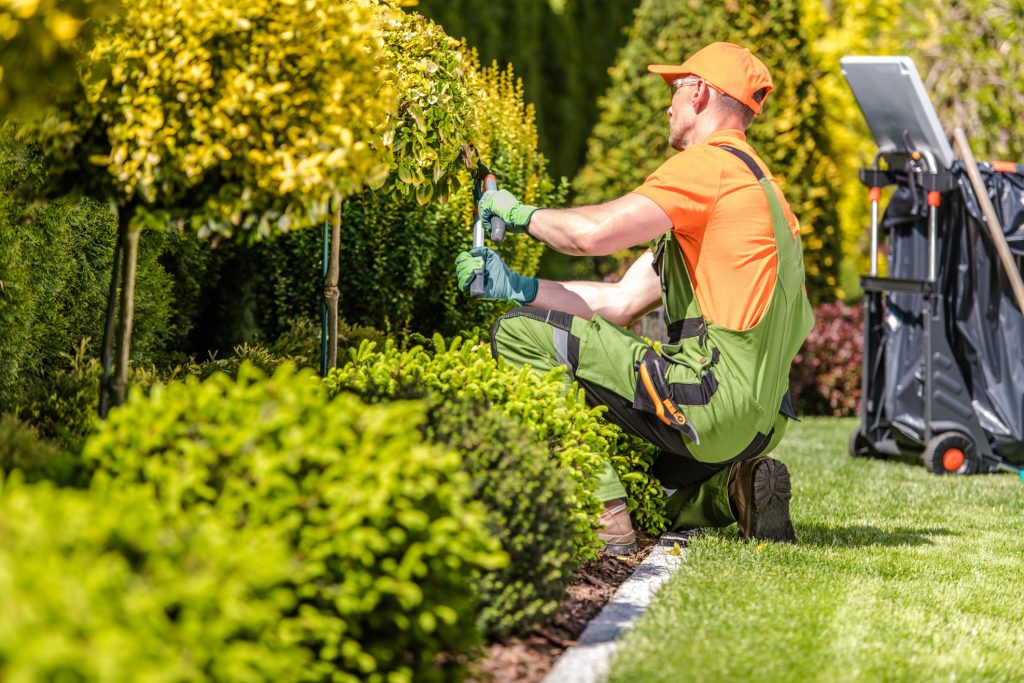
Creating a custom pergola can truly elevate your outdoor space, combining style and functionality to meet your specific needs. For the most effective results, consider collaborating with a landscape expert who can help you navigate design elements and materials.