Discover the joy of cultivating your own fruits and vegetables right at home! Whether you’re a seasoned gardener or just starting out, our tips will help you navigate the rewarding journey of home gardening. With a little guidance, you can enjoy fresh produce that not only tastes better but is also packed with nutrients and flavor.
Selecting the Right Plants for Your Space
The selection of fruits and vegetables suitable for your gardening space is the first step towards a bountiful harvest. Consider your climate, available sunlight, and the type of garden you wish to create.
Understanding Plant Hardiness
Different plants thrive in various climates, so it’s crucial to choose varieties that are suited to your local environment. Research hardiness zones to identify which fruit trees or vegetable options will prosper in your garden. For instance, apples and strawberries flourish in cooler temperatures, while tomatoes and peppers require warmer conditions.
Choosing Space-Efficient Options
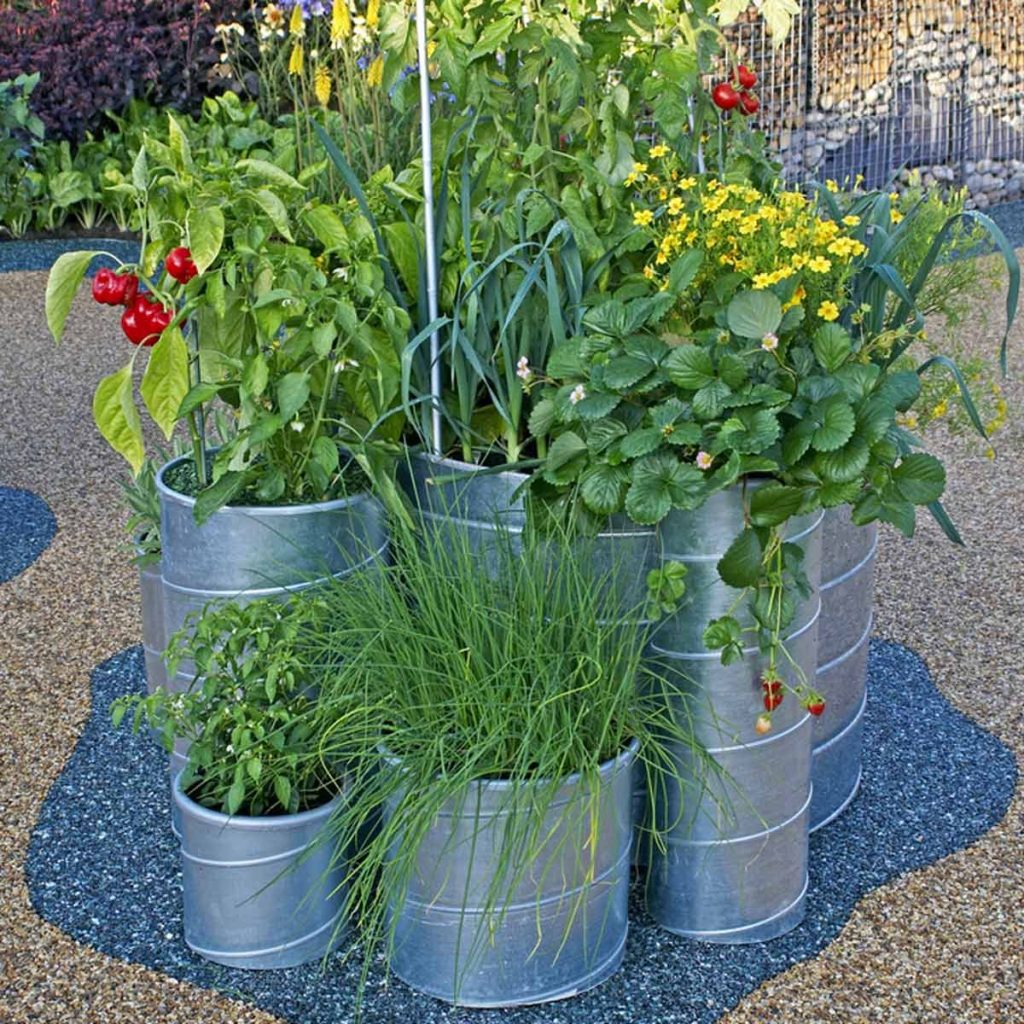
If space is at a premium, focus on compact varieties or consider vertical gardening. Options like bush beans or cherry tomatoes are not only manageable but also produce high yields in limited areas. Additionally, container gardening offers flexibility and allows you to bring nature closer to your living space.
Preparing the Soil for Optimal Growth
The success of your home garden heavily relies on quality soil. Taking the time to prepare it properly will set the foundation for ultimate plant growth.
Soil Testing and Amendment
Start by testing your soil to determine its pH level and nutrient content. Various testing kits are available at local garden centers. Depending on the results, you may need to amend the soil with organic matter, such as compost or well-rotted manure, to boost nutrient levels and enhance drainage.
Creating the Right Soil Environment
Once the soil is tested and amended, it’s essential to ensure that it is well-draining and healthy. Adding mulch can help retain moisture and regulate root temperature, which is vital for plant health. This practice not only protects your plants but also minimizes weed growth, allowing your fruits and vegetables to flourish.
Watering and Nutrient Management
Watering habits are crucial for the healthy growth of your garden. Over-watering can be as detrimental as under-watering, so it’s important to strike the right balance.
Establishing a Watering Routine
Most vegetables and fruits require consistent moisture, particularly during their growing stages. A general guideline is to water in the early morning or late afternoon, allowing moisture to seep into the soil and reducing evaporation. Be mindful that containers may need more frequent watering compared to garden beds.
Feeding Your Plants
In addition to regular watering, providing your plants with nutrients will help them thrive. Organic fertilizers, such as fish emulsion or seaweed extract, can enrich the soil without introducing harmful chemicals. Follow the instructions on the product labels for optimal results.
Pruning and Training Your Plants
To maximize yields, consider learning basic pruning techniques. Pruning not only encourages healthy growth but also enhances air circulation, reducing the risk of disease.
Bringing Out the Best with Pruning
Regularly trimming back excess foliage allows your plants to direct energy toward fruit and vegetable production. This technique is especially important for sprawling plants like zucchini and cucumbers. Consider removing dead or diseased branches promptly to protect the plant’s vitality.
Support for Vertical Growth
For plants like tomatoes and peas, constructing a support system, such as a trellis, can promote vertical growth, saving space and allowing for better sun exposure. This not only facilitates easier harvesting but also ensures that the fruit receives proper airflow.
Pest Control and Disease Management
Every gardener faces challenges with pests and potential diseases. Integrating eco-friendly pest control methods can help protect your plants without compromising your harvest.
Monitoring for Pests
Regularly inspect your plants for signs of pests. Introduce measures like natural predators, such as ladybugs, to control aphids. Furthermore, applying protective barriers like row covers can also help shield young plants from common garden nuisances.
Implementing Sustainable Solutions
Practicing sustainable gardening solutions contributes to the health of your garden. Crop rotation and companion planting—such as marigolds to deter nematodes—can effectively enhance your plants’ resilience and yield.
With time, practice, and a bit of care, your home garden can flourish, supplying you with an abundance of satisfyingly fresh produce. The journey to becoming a skilled gardener awaits you!