
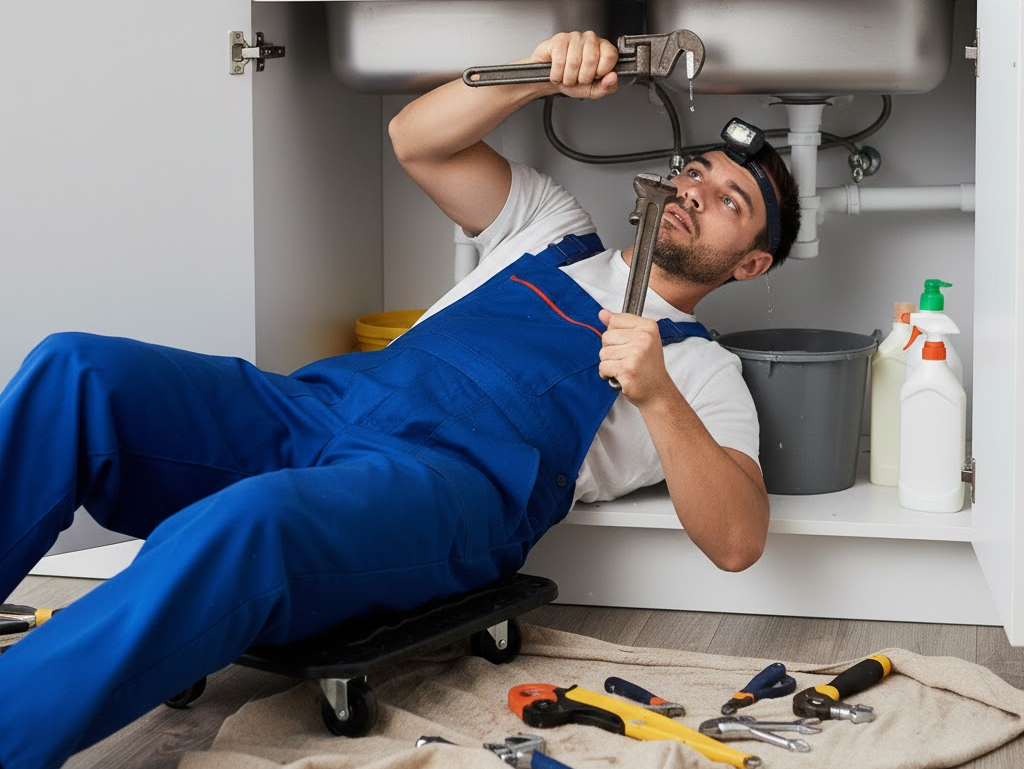
Water leaks can be terrifying. They happen unexpectedly, often just when you’re least prepared—whether you’re settling in for the night, enjoying a holiday, or busy heading out the door. A seemingly insignificant drip can quickly escalate into a nightmare, leading to significant water damage and expensive repairs. Therefore, acting swiftly is crucial.
Understanding the Warning Signs of a Leak
Water leaks are often stealthy; they don’t always announce their presence with a loud crash. Instead, they may whisper clues, urging vigilant homeowners to pay attention. Here are some signals to look out for:
Unusual Sounds
Are you hearing hissing, trickling, or bubbling noises even when all faucets are off? Such sounds often indicate that water is finding a way out where it shouldn’t be.
Stains and Discoloration
Keep an eye on your ceilings and walls for yellowish stains or warped flooring. These are classic markers of hidden leaks.
Musty Odors
If you notice strange, earthy smells, it could mean that mold and mildew are thriving due to concealed moisture.
Water Meter Test
To confirm a potential leak, turn off all water-using appliances. If the water meter continues to spin, you’ve likely discovered a hidden leak.
Spike in Water Bills
A sudden and unexplained increase in your water bill is a major red flag that warrants investigation.
Immediate Steps to Take When You Suspect a Leak
When you suspect a leak, time is not on your side. Here’s how to take control while waiting for help:
Shut Off the Water Supply
Locate your main shutoff valve and turn it off to prevent further damage immediately. Typically, this valve can be found in your basement, crawlspace, or outside near your home’s foundation.
Turn Off Electricity
If you suspect water around electrical outlets or appliances, cutting the power to that area is essential for safety.
Contain the Leak
Use buckets, towels, or even baking sheets to direct water away from your valuables until professionals arrive.
Document the Damage
Capture photos of the leak and any resulting damage for your insurance claims later.
Assessing the Right Repairs for Your Leak
Identifying the source and extent of the leak is critical to deciding on the appropriate repair methods.
Temporary Fixes
For minor issues, you may need to apply pipe tape or epoxy putty as a temporary solution until a plumber can provide a lasting fix. For quick relief from sprays, use a rubber patch and clamp.
Permanent Repairs
For more severe damage, you may require a pipe replacement, soldering, or unique methods like trenchless repairs for sewer lines. Repiping of older homes with recurring issues might also be the most cost-effective long-term solution.
Preventing Future Leaks: Best Practices for Maintenance
Staying ahead of leaks can spare you from potential havoc later. Here’s how:
Regular Inspections
Routine checks under sinks, behind toilets, and around water heaters can help catch leaks early.
Preventative Maintenance
Consider scheduling regular inspections for water pressure, pipe conditions, and appliance connections.
Proper Insulation
Especially in colder climates, making sure pipes are well-insulated will counteract the risk of winter-related bursts.
Replace Aging Hoses
Worn hoses in dishwashers or washing machines should be replaced every 3-5 years to prevent unforeseen issues.
Understanding Insurance: How Claims Work After Water Damage
Water damage can complicate insurance claims. Here’s how to navigate the process efficiently:
Documenting Damage Early
Capture clear photos and keep records of all intervention efforts to help facilitate your claim.
Informing Your Insurer
Report any incidents to your insurance company as soon as possible to limit any damages they may cover.
What You Need to Know After a Leak is Repaired
Even after a leak is fixed, monitor the area closely for potential signs of delayed water damage. Such signs can include:
- Brown or yellow stains on ceilings
- Warped or buckling floors
- Soft or damp drywall
- Musty odors
- New cracks or bubbling textures
For additional insights on maintaining your property and tackling potential plumbing issues, you may find this article helpful: Signs You Need Immediate Plumbing Help.
Final Thoughts
When it comes to leak repairs, prompt action is crucial to prevent extensive water damage. Trusting an expert plumber to address leaks quickly and efficiently can save you time, money, and the stress of future complications. Always prioritize regular maintenance and immediate attention to any signs of leaks for a safe and sound home.