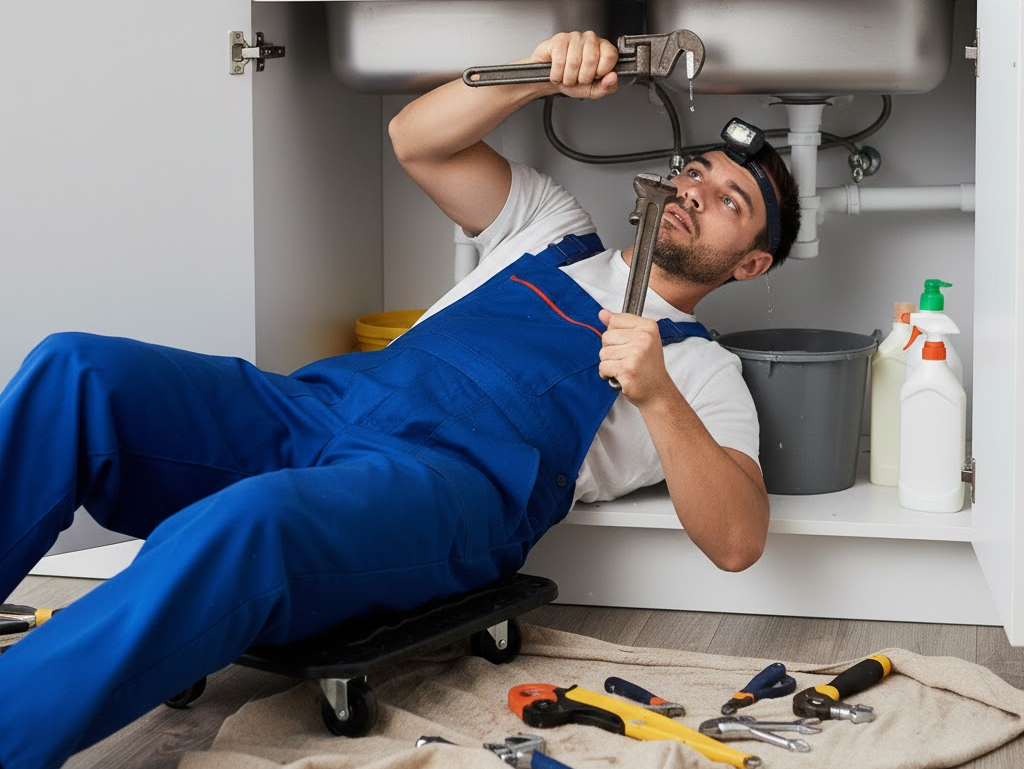
Are you considering upgrading your bathroom or kitchen? Understanding the process of fixture installations—from faucets to toilets and showers—can make all the difference in achieving a flawless finish and enhanced functionality. In this article, we’ll break down the essentials of each installation, ensuring you feel confident tackling your next home improvement project.
Understanding the Importance of Fixture Installations
Upgrading and installing new fixtures not only elevates your living spaces but also helps in conserving water and reducing utility bills. Modern fixtures come equipped with advanced technologies that increase efficiency and style. So whether you aim to enhance your bathroom or kitchen, you’ll find that tackling these installations opens new doors to both functionality and design.
The Inner Mechanics of Bathroom Plumbing
Behind every beautifully designed fixture lies a complex plumbing system. Understanding how it works is essential. A thorough assessment of your existing plumbing helps in identifying potential issues like corroded pipes or improper water pressure, which need addressing before moving forward. This proactive approach saves you from future repairs and maintains the integrity of your new installations.
Step-by-Step Guide to Fixture Installation
1. Gather Your Tools and Materials
Before you dive into your installation, ensure you have the right tools. Essential equipment includes an adjustable wrench, basin wrench, plumber’s tape, bucket, and rags; these will come in handy for any fixture installation project. Having everything prepared will prevent unnecessary interruptions.
2. Turning Off the Water Supply
Safety comes first. Before any installation begins, locate and turn off the water supply. For most sink installations, this can be done at the shut-off valves, typically located under the sink. In some cases, shutting off the main water supply is necessary to avoid any unintended surprises during the process.
3. Removing the Old Fixtures
This stage involves unscrewing and disconnecting the old fixtures carefully. Use a wrench but be mindful not to overtighten and potentially damage your pipes. Keep track of how the old fixture was connected, as this will guide you during the installation of your new one.
4. Installing the New Fixtures
With the old fixtures cleared out, it’s time to fit the new ones. Before installation, apply plumber’s tape on threaded pipes to create a watertight seal. Carefully follow the manufacturer’s instructions to secure each fixture properly. Whether it’s a shiny new kitchen faucet or a stylized bathroom showerhead, attention to detail here is crucial to avoid future leaks.
5. Checking for Leaks
Once installed, restore the water supply gradually, monitoring for any leaks as the system fills. It’s best to test both hot and cold lines, ensuring that everything functions seamlessly. If you notice a leak, turn off the water supply again and recheck your connections.
Special Considerations for Toilets and Showers
Toilet Installation Insights
When installing a new toilet, preparation is crucial. Begin with a clean, level surface and ensure the wax seal around the toilet base is intact for a perfect fit. Once the toilet is secured and the water supply is restored, check that the tank fills correctly. It’s a good rule of thumb to flush a couple of times to ensure everything is functioning smoothly.
Showerhead Fine-Tuning
Shower installations often require less complexity, but a mindful approach is still essential. Once you’ve removed the old showerhead, wrap the threads of the shower arm with plumber’s tape and attach the new unit gently. Testing the connections before sealing them up ensures you catch any leaks early.
When to Call in the Experts
While many homeowners feel confident with DIY installations, certain situations might demand professional help. If you’re making extensive changes or dealing with older plumbing systems, a qualified plumbing contractor can assist with the intricacies.
Maintaining Your Fixtures for Longevity
One of the secret ingredients to making your new installations work for you is regular maintenance. Take the time to clean fixtures, inspect plumbing connections, and watch out for signs of wear or leaks. This diligence goes a long way in enhancing their longevity and maintaining their aesthetic appeal.
Ready to transform your space further? Explore resources on bathroom vanities or consider hardscaping options for outdoor renovations here.
In conclusion, understanding the intricacies of fixture installations can greatly enhance your home’s functionality and aesthetic appeal. If you’re unsure about tackling these projects yourself, it’s wise to call in a plumbing expert to ensure everything is done safely and correctly.