
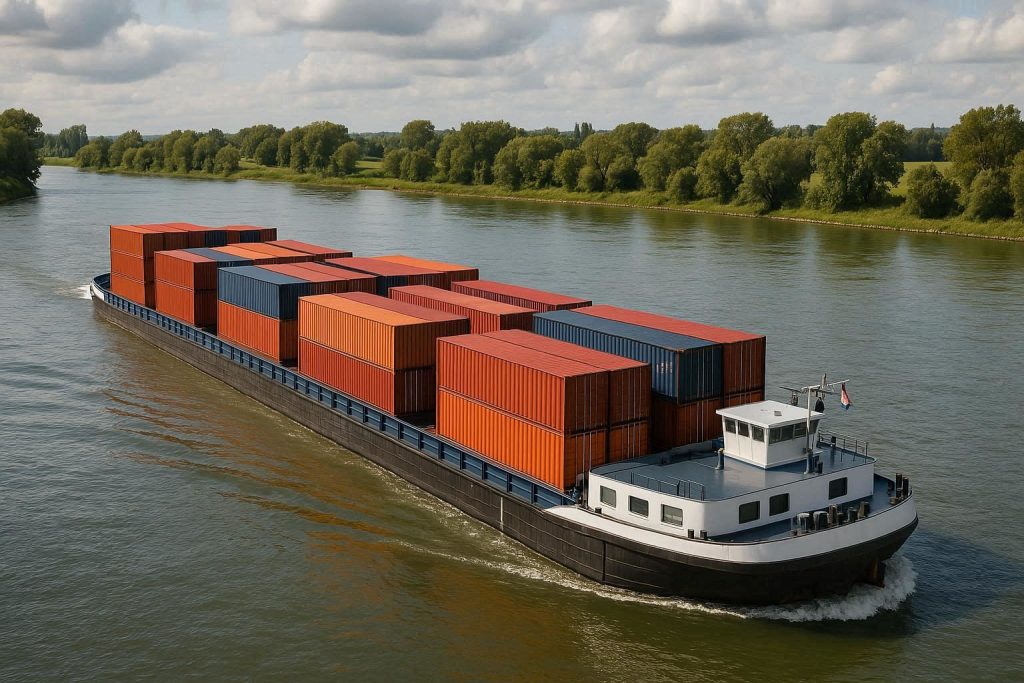
Barge transport stands out as a transformative method for shipping goods across inland waterways. With the ability to efficiently manage bulky cargo, this service is becoming increasingly indispensable as trade routes evolve. The intricate workings of barge transport not only enhance supply chain dynamics but also represent a significant leap toward sustainable logistics.
Understanding the Backbone of Barge Transport Services
Barge transport services encompass a multifaceted system relying on specialized vessels designed to navigate both deep seas and shallow rivers. These ships transport loaded barges that carry a variety of goods, from agricultural products to industrial materials. By eliminating the need for excessive handling at multiple ports, the logistics of barge transport streamline the shipping process, minimizing both time and costs.
Key Components of Barge Operations
The operation of barge transport services is a well-coordinated dance that involves several crucial components:
- Loading and Unloading Procedures: Efficient loading systems are vital for transporting goods. Barges are often pre-loaded at designated areas, allowing mother ships to pick them up swiftly. Upon reaching the destination, these smaller vessels can easily navigate inland waterways where larger ships cannot access.
- Navigation and Routing: Modern technology has revolutionized how barge transport has been conducted. Utilizing AI and sophisticated navigation systems, operators can optimize routes based on weather patterns, traffic, and port availability, ensuring prompt deliveries.
- Cargo Handling Mechanisms: The use of cranes and customized ramps aid in the swift loading and unloading of cargo. Technological advancements mean that these systems are now supported by sensors and automation, decreasing the likelihood of human error.
The Economic Impact of Barge Transport Services
From an economic standpoint, barge transport services contribute significantly to both regional and global markets. This mode of transportation offers a cost-effective solution, as it can carry larger quantities of goods than traditional trucking or rail methods.
Cost Efficiency and Cargo Capacity
One of the defining features of barge transport is its high cargo capacity. Barges can transport vast amounts of freight in a single trip, significantly reducing the cost per ton-mile. This inherent efficiency is particularly appealing to businesses looking to optimize their logistics; fewer trips mean reduced fuel consumption and lower environmental impact.
Moreover, the emergence of foam-filled aluminum barges enhances safety and minimizes risks associated with maritime transport. Their near-unsinkable design assures business owners that their valuable cargo is secure throughout the journey.
Challenges Facing Barge Transport Operations
Despite its advantages, barge transport services face several hurdles that must be addressed to reach their full potential.
Awareness and Industry Fragmentation
One of the significant challenges is the limited awareness of barge transport’s benefits compared to more conventional modes of shipping. Many businesses opt for trucks or trains simply because they are more familiar with these options. Furthermore, the industry exhibits a degree of fragmentation, leading to inconsistent service delivery. As logistics professionals pursue solutions, bridging this gap will be crucial for expanding barge transport’s market share.
Lack of Digitization
The slow adoption of digital solutions also poses challenges. Many barge operators still rely on outdated processes, making it difficult to integrate their operations into broader supply chain management systems. However, technology players entering the sector are beginning to change that landscape by offering platforms that streamline processes and promote standardization.
Sustainable Logistics Through Barge Transport
Modern barge transport services are leading the charge toward more sustainable logistics. By taking advantage of extensive inland waterways, barge transport significantly reduces the overall carbon footprint of shipping goods. Compared to trucks, which contribute immensely to road congestion and emissions, barges present a much greener alternative.
Environmental Benefits of Barge Operations
By consolidating shipments into fewer journeys, barge operations minimize the number of trips needed for cargo delivery. This efficiency is especially beneficial for companies aiming to achieve sustainability goals. Thus, adapting to barge transportation not only aids logistics but also aligns with corporate social responsibility initiatives.
The Future of Barge Transport Services
Looking ahead, the future of barge transport services is closely tied to technological advancements. Operators are increasingly incorporating IoT devices and AI solutions to enhance their operations, ensuring that they remain competitive in a rapidly evolving market.
Digital Transformation and Integration
The integration of digital technologies is crucial for overcoming existing challenges and optimizing the barge industry. Solutions such as real-time tracking, automated scheduling, and dynamic routing will likely become the norm, creating a more cohesive infrastructure across the logistics landscape.
Innovative platforms such as OpenTug are already paving the way for increased access and visibility in barge transportation, enhancing engagement between shippers and operators. This digital evolution signals a promising future for the barge industry, replete with opportunities for growth and enhanced efficiency.
For expert guidance in navigating the complexities of barge operations, consider consulting with a logistics specialist in maritime transport.