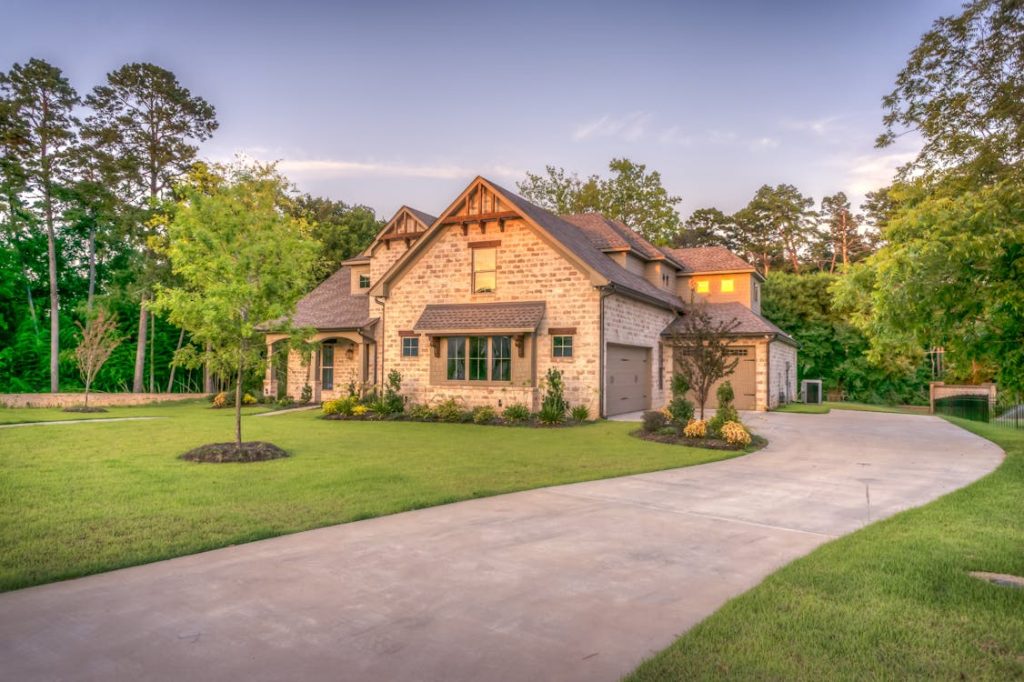

The design-build approach is revolutionizing the construction industry by merging the design and construction services into a single, seamless process. This innovative method not only enhances collaboration but also delivers projects more efficiently and cost-effectively. Join us as we delve into the advantages of this integrated strategy.
Understanding the Design Build Approach
The design build approach in construction is an innovative method that integrates both the design and construction phases into a single cohesive process. Unlike traditional construction methods, which separate these activities between different entities, design build fosters a collaborative environment among architects, engineers, and builders. This synergy streamlines project execution and enhances communication, leading to a host of benefits that are becoming increasingly attractive to stakeholders.
Key Benefits of the Design Build Method
1. Streamlined Communication
One of the most notable advantages of the design build approach is the streamlined communication it fosters. With everyone working under one unified contract, there’s no room for confusion that often arises in traditional setups where roles are split. This collaboration ensures that all team members remain aligned throughout the project, promptly addressing any issues that may arise and leading to more effective problem-solving strategies.
2. Faster Project Completion
The integration of design and construction tasks allows for the overlapping of phases, significantly reducing the total project timelines. This efficiency is particularly advantageous for time-sensitive projects. Rather than waiting for the design to be finalized, construction can commence on different sections while designs are still being refined, propelling the project towards completion more rapidly. Statistically, design build projects tend to be completed 33% faster compared to their traditional counterparts.
3. Cost Efficiency
Cost-saving measures become inherent in the design build process. With the design and construction teams working together from the beginning, the budget management becomes much more precise. All stakeholders can identify potential cost-saving opportunities during the design phase, which helps avoid costly overruns that pickle many projects. This holistic view of the project not only mitigates risks, but it also enhances overall efficiency.
4. Single Point of Responsibility
In the design build model, accountability rests with one entity. This single point of responsibility eliminates problems that arise from coordinating multiple contractors and designers. Clients can easily navigate issues by liaising with a single source, reducing confusion and eliminating the blame game that often hinders progress in traditional settings. This clear accountability is crucial for fostering trust among clients and the project team.
5. Enhanced Quality Control
The collaborative nature of the design build approach greatly enhances quality control. With designers and builders aligned from the onset, they can establish and uphold quality standards throughout the project’s lifecycle. Continuous feedback loops ensure that adjustments can be made in real time, leading to a final product that not only meets but often exceeds expectations.
Addressing Common Misconceptions
Despite its many advantages, some misconceptions continue to linger about the design build method. A common belief is that it is suitable only for small-scale projects. In reality, design build is highly versatile, effectively accommodating even complex infrastructures. Another misperception is that the unified nature of design build might compromise quality checks. However, the integration ensures that attention to detail is maintained at every stage, facilitating disciplined outcomes committed to high standards.
Looking Ahead: Future Trends in Design Build
The design build approach is poised for further evolution, particularly with the integration of digital technologies such as Building Information Modeling (BIM). These tools enhance project precision and coordination while providing stakeholders with real-time insights, aligning expectations with execution. Sustainability is another trend that is gaining momentum, as firms seek to incorporate eco-friendly materials and sustainable practices into their design build projects. This inclination towards responsible construction is not merely a trend but a necessity in our changing world.
In summary, the design build approach stands as a compelling alternative to traditional construction methods. By offering a wealth of advantages, it provides a framework for more effective project delivery.