In the rapid evolution of retail spaces, storefront design has emerged as a critical factor for attracting and retaining customers. As shoppers navigate through their purchasing journey, the appearance of a storefront often serves as the first point of contact, establishing a lasting impression. With an increasing shift towards digital engagement, the effectiveness of a physical storefront now relies heavily on its ability to connect in-person interactions to online experiences.
Understand the Essence of Storefront Design
Storefront design encompasses both the physical layout and the online presence of a retail brand. Understanding what makes a storefront effective requires knowledge of various design elements, which must harmonize to capture attention. Fostering curiosity about what’s inside can draw in potential customers, making it essential to create a welcoming, aesthetically pleasing environment that reflects the brand ethos.
Define Your Brand Story and Vision
Every storefront communicates a story. Defining your brand’s narrative is crucial for establishing a strong visual identity. This narrative should permeate every design aspect, from signage to window displays, creating coherence that resonates with the target audience.
Curate Compelling Visuals
The visual elements of your storefront play a vital role in attracting customer attention. High-quality images, well-designed signage, and consistent branding can create an inviting atmosphere. Utilizing a few selected products rather than overcrowding your display can provide a sense of sophistication and exclusivity.
Implement Practical Design Strategies
Once you’ve laid the groundwork of your brand story, it’s time to implement practical design strategies that boost visibility and engagement. The following strategies directly link with enhancing the storefront experience, ensuring it stands out.
Utilize Effective Lighting
Lighting is a powerful tool in storefront design. It sets the mood, guides attention, and can dramatically affect customer perceptions. Using a combination of ambient, task, and accent lighting can create a dynamic visual experience, highlighting key products and enhancing the overall atmosphere.
Create Inviting Entrances
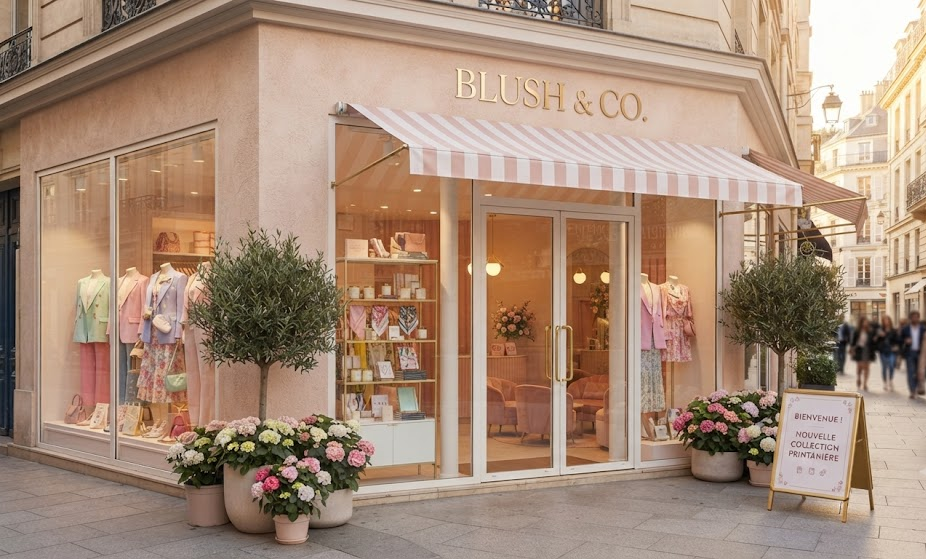
Your storefront entrance is a crucial area to optimize. A welcoming entrance should provide unobstructed views of the interior, encouraging potential customers to step inside. Clear sightlines and strategic product placements near the entrance can enhance visibility and draw in foot traffic.
Design Dynamic Window Displays
Window displays function as both a marketing tool and an invitation. To exploit their potential, curate dynamic visuals that engage passersby. Rotating displays seasonally or promoting new products can keep the storefront fresh and interesting.
Incorporate Color Psychology
Colors elicit emotions and can influence consumer behaviors. Understanding color psychology can enhance a storefront’s ability to attract customers. For instance, bright colors may denote discounts and energy, while softer hues might suggest calmness or luxury. Thoughtfully selecting colors that reflect your brand can captivate the customer’s attention.
Engage the Senses
Engagement should extend beyond visuals. Incorporating sensory elements adds another dimension to the shopping experience. Consider integrating subtle scents or background music that mesh well with the brand. Testing different sensory elements can help create a unique atmosphere that resonates with your target demographic.
Focus on Accessibility and Inclusion
Creating an accessible storefront is not just about following regulations; it fosters a welcoming environment for all customers. This involves considering physical and sensory barriers that may prevent some individuals from comfortably engaging with your store. Ensure pathways are clear and provide signage that is easily readable.
Ensure Consistency in Branding
Consistency is central to effective storefront design. Your storefront should reflect the same branding as your online presence, creating an integrated experience. This means using similar colors, fonts, and styles across both mediums, reinforcing brand recognition at every touchpoint.
Track Performance and Evolve
Your storefront is not a static entity; it needs to evolve with consumer trends and preferences. Tracking performance metrics, such as foot traffic and customer engagement, enables businesses to make informed adjustments. Regular evaluations can help refine the storefront design to better capture attention and improve conversion rates.
Utilize Analytics for Improvements
Data-driven decisions can significantly enhance your storefront’s effectiveness. By employing systems to track customer interactions, you can identify what works well and what needs adjustment. Key performance indicators to monitor include foot traffic counts, conversion rates, and customer dwell times.
Stay Adaptable
As consumer behavior continues to shift, maintaining flexibility in your design strategy will be vital. Whether adapting to seasonal trends, launching new products, or revamping visuals based on customer feedback, an adaptable approach ensures your storefront remains relevant and engaging.
Create a Lasting Impression
Ultimately, the effectiveness of a storefront hinges on its ability to create a memorable experience. Working with design experts can help businesses develop a space that reflects their brand identity and effectively engages customers. By combining thoughtful design strategies and ongoing adaptability, retail storefronts can transform into powerful marketing tools that not only attract but also retain loyal customers.