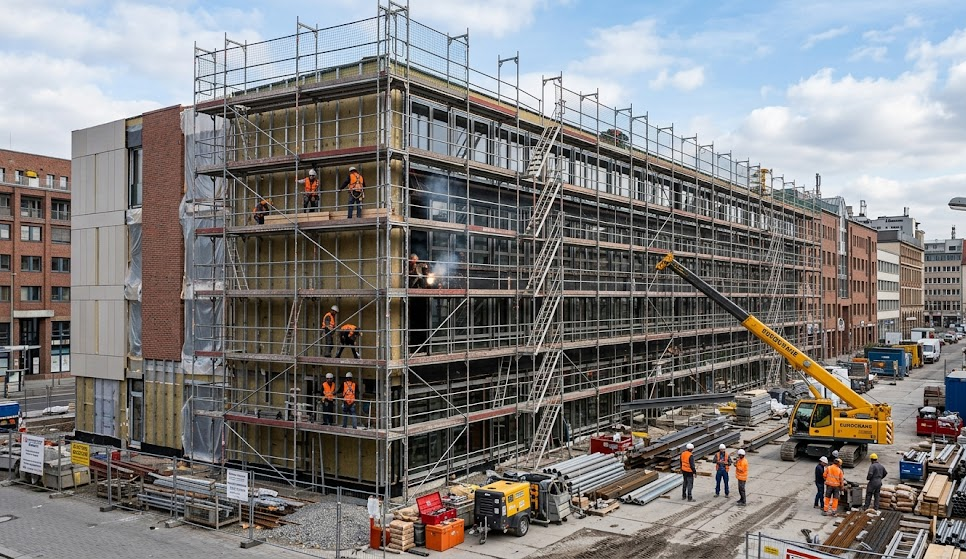
Arranging scaffolding hire is a critical step in ensuring the safety and efficiency of any construction project. However, many individuals make common mistakes that can lead to safety hazards and costly delays. By identifying these missteps and learning how to avoid them, you can streamline your scaffolding arrangement while prioritizing safety and compliance.
Avoid Budget-Driven Decisions When Hiring Scaffolding
One of the primary mistakes when arranging scaffolding hire is making decisions based solely on budget. While staying within budget is essential, compromising on safety and quality can have severe repercussions. It is crucial to consider the balance between cost and safety when selecting a scaffolding provider.
Evaluating Quality and Safety Standards
Before concluding a hire, ensure that the selected company meets all relevant quality and safety standards. Look for certifications and compliance with local regulations, as these factors indicate a commitment to safety.
- Check for certifications such as Safe Contractor or CHAS.
- Review customer feedback and case studies for insights into their reliability.
- Inquire about their safety protocols and employee training programs.
Understanding Load Capacity Requirements
It’s essential to thoroughly understand the load capacity requirements before hiring scaffolding. Each project has different needs, and choosing scaffolding that cannot support the required weight can lead to dangerous situations.
Discuss with your scaffolding provider to determine the appropriate specifications for your project.
Neglecting Thorough Site Inspections
Another common mistake is skipping a detailed site inspection prior to scaffolding hire. A comprehensive assessment of the site allows for better planning and ensures that the scaffolding arrangement meets site-specific requirements.
Identifying Potential Hazards
Site inspections should include identifying potential hazards, such as overhead power lines, unstable ground, or restricted access areas. Documenting these hazards can help reinforce safety measures during assembly and use.
Involving Experienced Personnel
Utilizing the expertise of experienced personnel during inspections can enhance the process. Their knowledge can identify potential issues that less experienced individuals might overlook.
Ignoring Compliance with Regulations
Compliance with local and national scaffolding regulations is non-negotiable. Failing to adhere to these regulations can result in legal repercussions and jeopardize worker safety.
Researching Local Scaffolding Guidelines
Each region may have unique regulations governing scaffolding setup and usage. Understanding these guidelines ensures that all procedures align with legal requirements, which protects everyone involved in the project.
- Review OSHA standards specific to scaffolding.
- Consult local authorities for any additional regulations.
- Ensure that all equipment meets legal standards for safety and quality.
Regularly Updating Practices
As regulations evolve, it’s essential to stay informed and regularly update your practices. Attend workshops and training sessions that focus on new standards in scaffolding and safety.
Overlooking Maintenance and Inspection Protocols
Maintenance and regular inspection play a vital role in ensuring the longevity and safety of scaffolding. Many neglect this aspect, leading to unsafe working conditions.
Implementing Maintenance Schedules
Establishing a maintenance schedule can help catch issues before they escalate. Utilizing a checklist for regular inspections can ensure that all components remain in optimal condition and that safety standards are upheld.
- Check load capacities regularly to ensure they are not exceeded.
- Inspect connections and supports for signs of wear or damage.
- Ensure all safety features, such as guardrails, are in place and functional.
Documenting Inspection Outcomes
Keeping a detailed record of maintenance and inspections can provide essential documentation in the event of an accident. This inventory safeguards against potential liabilities.
Failing to Communicate Effectively with the Hire Company
Communication barriers can lead to misunderstandings and mismanagement of the scaffolding hire process. Clear communication with the hire company is crucial for successful arrangement.
Setting Clear Expectations
At the outset, communicate your project’s specific needs and expectations to the scaffolding provider. Providing them with detailed plans and descriptions helps ensure they can deliver the right equipment and expertise.
Establishing a Communication Plan
Developing a consistent communication plan throughout the project helps keep everyone aligned. Regular check-ins and updates can prevent miscommunications and enhance collaboration.
Arranging scaffolding hire demands attention to detail, careful evaluation, and clear communication to avoid common mistakes. By addressing these pitfalls, you can ensure a safer and more efficient construction project.